 English
 Lietuvių
 Latviešu
 Eesti
 Polski
 Русский
 Українська
 Deutsch
 Nederlands
 Čeština
 Slovenčina
 Svenska
 Norsk
 Dansk
 Suomi


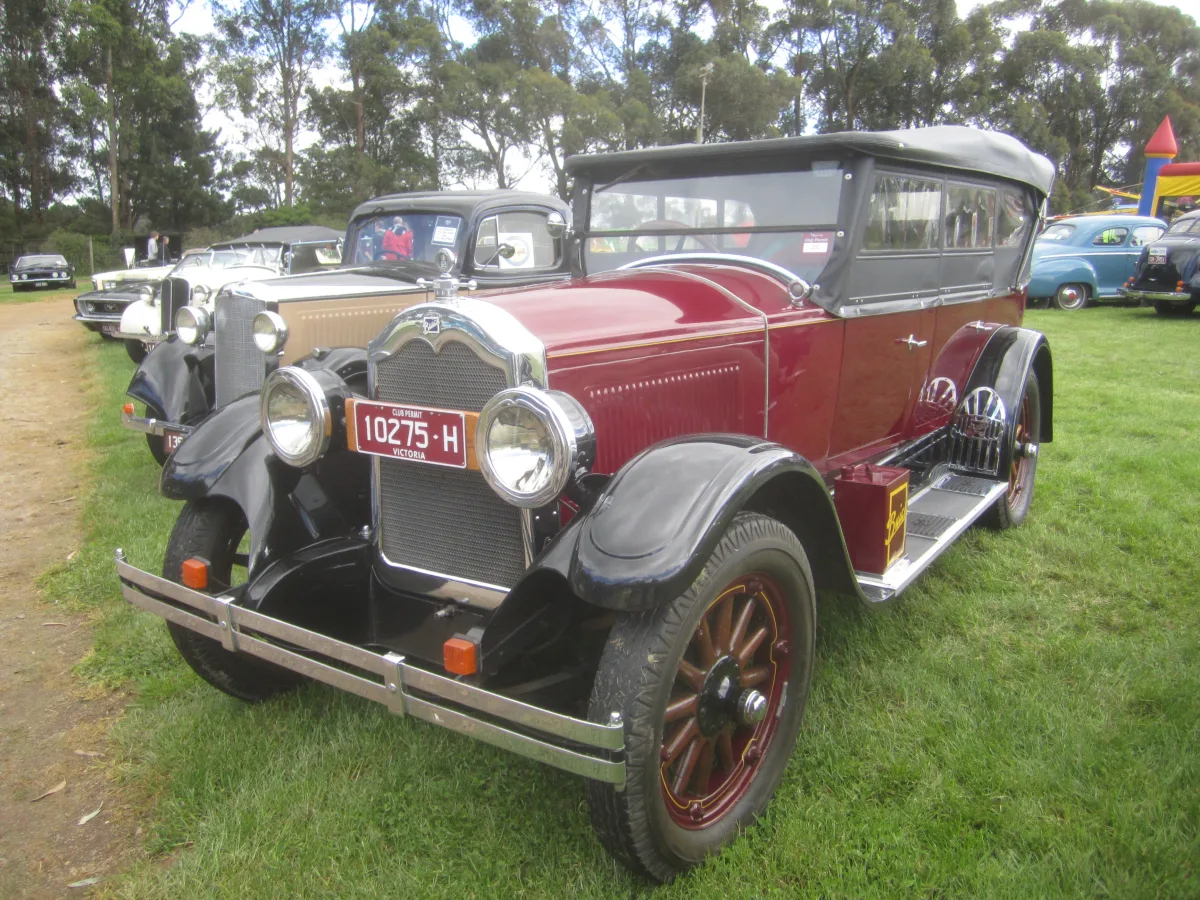
Buick Master Six: A classic American car from the 1920s
The „Buick Master Six“ was a six-cylinder car produced by Buick in the mid-1920s, now prized by collectors. In this article, we look at its history, body styles, and what buyers need to know.






Master Six in brief
The „Master Six“ was one of Buick’s main models in the mid-1920s. It was offered alongside the cheaper „Standard Six“ and featured a larger, more powerful six-cylinder engine.
Today, this is a classic car, most often seen in museums, at shows, and in collectors’ garages. There are very few in Lithuania, making it a rare find rather than an everyday sight.
Body styles and versions
The „Master Six“ was available in several body styles: the open „Tourer“, the closed sedan, the coupé, and the sporty „Roadster“. Versions differed in price and comfort levels.
Open bodies are often valued for their looks, while closed ones are more practical. For collectors, the original condition and the car’s history are key.
Engine and technology
Buicks of this era featured an inline six-cylinder engine with overhead valves and around 4.5 litres of displacement. The gearbox was manual, and the drive was rear-wheel.
The technology is simple but requires meticulous maintenance. Many parts were handmade at the time, so restoration often involves creating new ones.
What to check when buying a classic
First and foremost, check the car’s authenticity and documentation. Find out if the body is original or restored, and assess the quality of the restoration.
Check the wooden body frame (if present) for rot, inspect the engine and gearbox condition, and brakes. Find out where you can get parts and who can perform repairs.


Trim levels
This model comes in several body styles.
Touring
Mid-1920sOpen four-door body with folding roof.
- Folding fabric roof
- Wooden-spoke wheels (often)
- Open passenger compartment
Sedan
Mid-1920sEnclosed body, more practical for daily use.
- Enclosed passenger cabin
- Often — wooden interior trim
- More comfort than open versions
Sport Roadster
Mid-1920sSportier open two-seater version.
- Two seats
- Open roof
- Sportier looks
Master Six body comparison
| Touring | Sedan | Sport Roadster | |
|---|---|---|---|
| Who it's for | For classic car shows | For comfortable classic driving | For the collection |
| Number of seats | Often five | Often five | Two |
| Price in the used market (relatively) | €€€ | €€ | €€€ |
Any body style will do for shows and collections, but the sedan is more practical, and the most prized is the 'Roadster'.
Pros
- An authentic classic car
- A reliable six-cylinder engine
- Striking appearance
- Collector's item
Cons
- Requires meticulous maintenance
- Parts need to be sourced or custom-made
- Not suitable for daily use
Frequently asked questions
How many years is the 'Master Six'?
It's a car produced in the mid-1920s, so it's nearly a century old.
Can it be driven daily?
Technically, yes, but comfort, safety, and part availability limit daily use.
Are parts easy to find?
No, parts often need to be sourced from clubs or custom-made.
Updated 2026-10-21 · Trim levels and equipment vary by market and model year — check the equipment of the specific car. · Translated automatically


