 English
 Lietuvių
 Latviešu
 Eesti
 Polski
 Русский
 Українська
 Deutsch
 Nederlands
 Čeština
 Slovenčina
 Svenska
 Norsk
 Dansk
 Suomi


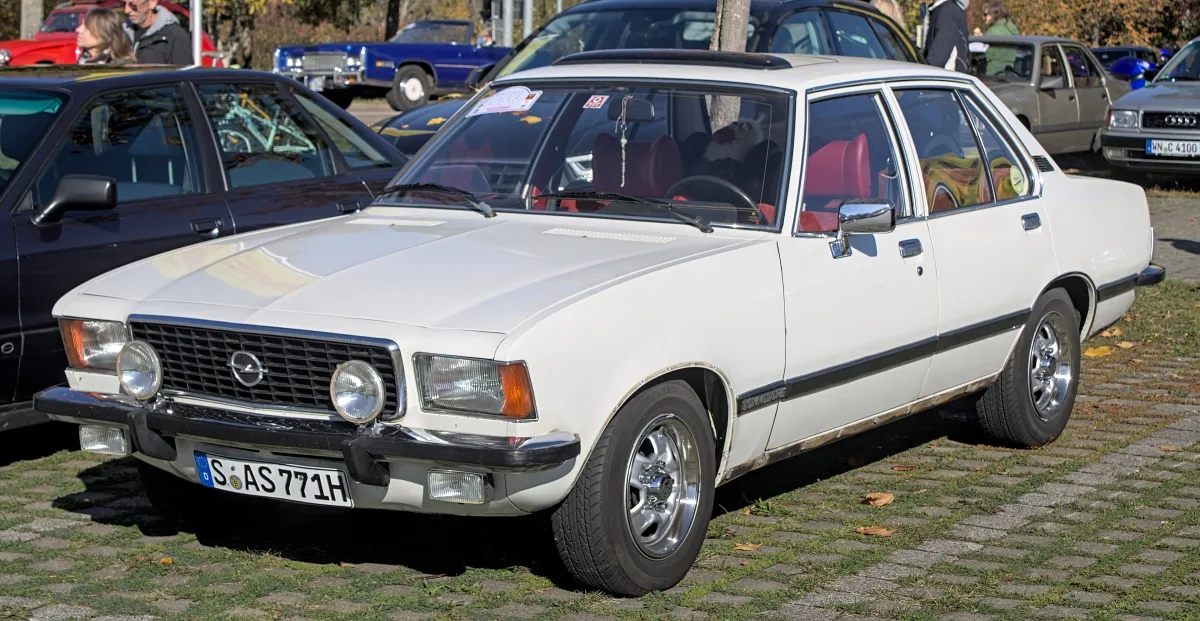
Opel Commodore: A, B and C generations, engines and trims
Opel Commodore — the six-cylinder Opel sedan and coupe, produced from 1967 to 1982. We look at the three generations, engines, known trims, and what to check when buying this classic rear-wheel-drive car.






Commodore in brief
The Commodore was a higher-end version of the Rekord class with an inline six-cylinder engine. It was produced in three generations — A (1967–1971), B (1972–1977), and C (1978–1982) — and is considered one of the standout Opel models of the 1970s.
Body style choices depended on the generation: typically, 2 and 4-door sedans were offered, and coupes were available in the A and B generations. Today, the Commodore is often bought as a rare classic car or enthusiast project.
Which generation to choose
The A generation is the oldest and most collectible: its cars are now valued as classics, so prices are often higher, and good-condition examples are few and far between.
The B generation is the most popular among enthusiasts: it's robust, offers a wide range of engines, and is most commonly encountered among these cars. The C generation is based on the Rekord E, so its body is more modern and practical for daily use, but it's less valued among collectors.
Engines and transmissions
All generations used inline six-cylinder CIH-type engines, most commonly 2.5 and 2.8 L. Some versions had carburetors or electronic fuel injection — these are marked with the letter 'E' and are more powerful.
Transmissions are manual (4 or 5 speeds) or automatic. The rear-wheel-drive setup and the sound of the six-cylinder engine make the Commodore appealing to those who enjoy a classic driving experience.
What to check when buying a used Commodore
The key question is corrosion: check the sills, wheel arches, floor, front wings, and boot floor. Bodywork restoration is expensive, and parts are hard to find, so it's worth buying only a sound example.
Check the engine condition, oil leaks, cooling system, and electrical installation. In the 'E' versions, also check if the fuel injection system works, as its repair is more complex than a carburettor.
Before buying, make sure the car has all the paperwork in order, and for parts, it's worth consulting with classic 'Opel' car clubs or specialists.


Trim levels
Names and equipment vary by market and year; we list the most commonly found trim levels in Europe.
Commodore (bazinė versija)
A, B, and C generationsThe base version with a six-cylinder engine and more basic equipment.
- Often — simpler interior trim
- Usually a smaller 2.5-litre engine
- Usually a carburettor
Berlina
B and C generationsA more comfortable, luxurious version.
- Often — higher-class interior trim
- Often — more comfort features
- Often — automatic transmission
GS
A and B generationsA sportier version with a more powerful engine.
- Often — a more powerful engine
- Often — a sportier look
- Often — additional gadgets
GS/E
A and B generationsSporty version with electronic fuel injection.
- Often — fuel injection
- The most powerful variant
- Sportier styling
Trim comparison
| Bazinė | Berlina | GS | GS/E | |
|---|---|---|---|---|
| Who it's for | A classic design with a twist | For comfort | For sportier driving | For enthusiasts |
| Engine | Smaller six-cylinder | Six-cylinder | More powerful six-cylinder | Six-cylinder with fuel injection |
| Interior | Basic | More luxurious | Sporty | Sporty |
| Price in the used market (relatively) | Mid-range | Mid-range | High-end | High-end |
For most buyers, a well-maintained Berlina or base model will be the best bet. The GS and GS/E are more desirable for collectors, but require a bigger budget and more attentive maintenance.
Pros
- Classic six-cylinder layout with a pleasing sound
- Rear-wheel drive and comfortable handling
- Simple mechanics, easy to maintain
- Increasingly valued collector's car
Cons
- Rust and missing body parts
- High fuel consumption
- Rare offering of good-condition examples
Frequently asked questions
Is the Commodore worth buying as an investment?
Well-preserved cars, especially GS and GS/E, are valued by collectors, but the price depends on condition and generation, and bodywork repairs can cost more than the car itself.
How does the Commodore differ from the Rekord?
The Commodore has a six-cylinder engine and a higher trim level, while the Rekord mostly features four-cylinder engines and simpler interior finishes.
Is the Commodore suitable for daily use?
A well-maintained example can work, but you need to consider higher running costs, older safety features, and parts availability.
Updated 2026-10-19 · Trim levels and equipment vary by market and model year — check the equipment of the specific car. · Translated automatically


