 English
 Lietuvių
 Latviešu
 Eesti
 Polski
 Русский
 Українська
 Deutsch
 Nederlands
 Čeština
 Slovenčina
 Svenska
 Norsk
 Dansk
 Suomi


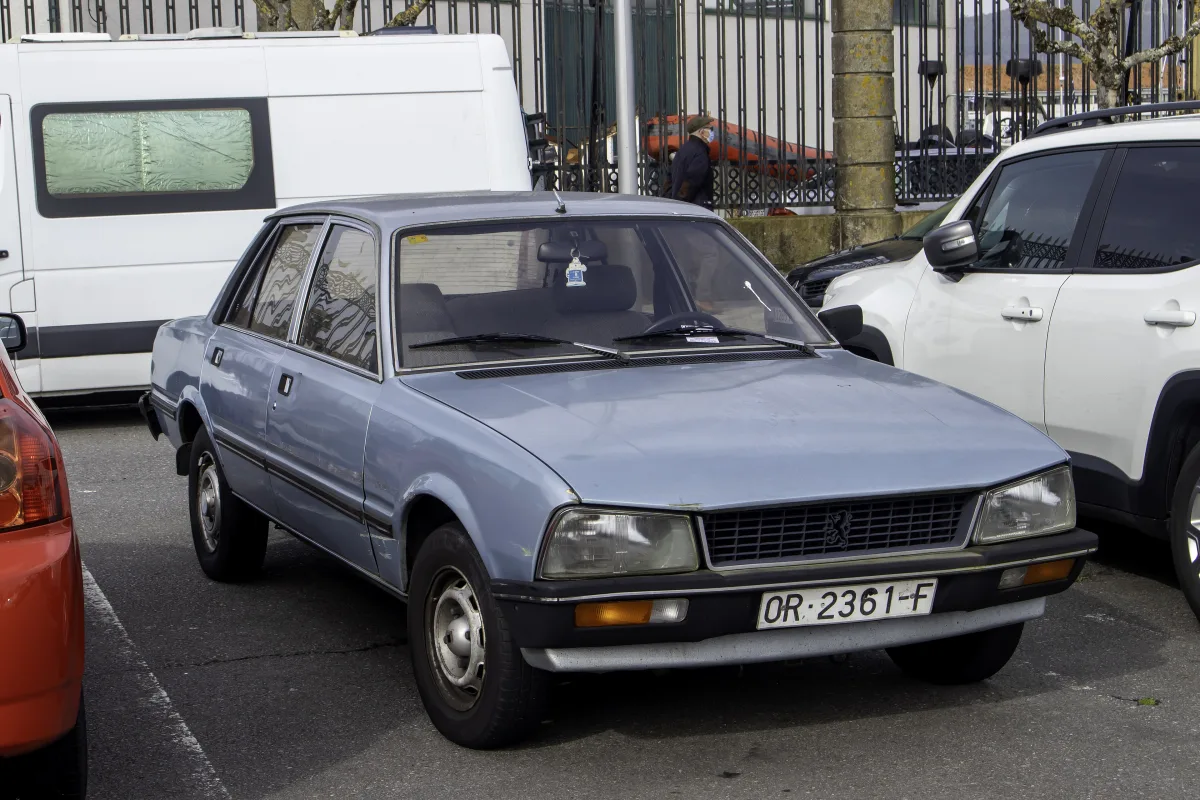
Peugeot 505: generations, engines and what to know before buying
The Peugeot 505 is a rear-wheel-drive car introduced in 1979 and produced until 1992. In this article, we look at its generations, engines, and what you need to know when buying a used 505.






Peugeot 505 at a glance
The Peugeot 505 replaced the 504 and became a spacious, comfortable mid-size car. It features rear-wheel drive, and the body is designed with cleaner, more angular lines than its predecessor.
Available in both sedan and estate (Break, Familiale) body styles. Later, sportier versions with fuel injection and turbochargers were introduced, along with diesel variants.
Which version to choose
The main petrol sedans are the most practical and easiest to find. They're ideal for those who want a comfortable classic with straightforward technology.
The GTI and Turbo versions are sportier with more powerful engines. The estates, Break and Familiale, are valued for their space, while diesels are appreciated for their longevity.
Engines and gearboxes
Petrol engines are four-cylinder, around 1.8–2.2 litres in capacity, plus sportier versions with fuel injection and turbochargers. Later, a V6 engine was introduced. Diesel engines were four-cylinder, including turbo versions.
The gearbox is manual or automatic. The design is simple and robust, and parts and knowledge for repairs are still available in Europe.
What to check when buying a used 505
Rust — the main enemy. Check the sills, wheel arches, front wings, floor, and boot floor. Even a car that looks healthy from the outside can have hidden damage.
Check the engine condition, oil leaks, gearbox operation, and suspension. Many 505s were driven hard, so pay attention to the service history. In the case of turbo versions, check the turbocharger condition.


Trim levels
Names and equipment vary by market and year; we list the most commonly found trims in Europe.
505 GR
From 1979The base petrol version.
- A four-cylinder petrol engine
- A spacious, comfortable interior
- Simple, no-frills technology
505 SR
From 1979A more comfortable version with better equipment.
- Better interior trim
- Additional comfort features
- Often — a more powerful engine
505 GTI
From the 1980sA sportier version with fuel injection.
- More robust injection engine
- Sportier interior
- Quicker acceleration
505 Turbo
From the 1980sThe most powerful petrol version with a turbocharger.
- Turbo engine
- Better acceleration
- Rarer version
505 dyzelis
From 1979Economical and long-lasting version.
- Diesel engine
- Lower fuel consumption
- Slower acceleration
505 Break / Familiale
estatePractical estate variants.
- Large boot
- Estate — more seating
- Suitable for families
Comparing Peugeot 505 generations
| GR / SR | GTI | Turbo | Dyzelis | |
|---|---|---|---|---|
| Who it's for | For the everyday classic | For dynamic driving | For spirited driving | For economical driving |
| Engine | Four-cylinder petrol | Injection petrol | Turbo petrol | Dyzelis |
| Performance | Average | Good | Best | Looks |
| Ease of maintenance | On average | Tricky | Tricky | On average |
| Price in the used market (relatively) | Budget-friendly | Mid-range | Mid-range | Budget-friendly |
For most buyers, the best choice is a well-maintained petrol sedan or estate. GTI and Turbo are for enthusiasts.
Pros
- Spacious and comfortable interior
- Simple, long-lasting technology
- Rear-wheel drive
- Practical estate versions
Cons
- Rust — the main issue
- Safety and comfort lag behind modern cars
- Good examples are becoming scarce
Frequently asked questions
How does the 505 differ from the 504?
The 505 is newer, with a more angular body and a wider range of engines. The technology is essentially similar, but the 505 offers more modern, sporty versions.
Is the Peugeot 505 suitable for daily use?
A well-maintained example can work, but it lags behind modern cars in terms of safety and comfort. It is often purchased as a classic.
Which 505 version is the best?
For most, the petrol sedan or estate will do the job. Enthusiasts will opt for the GTI or Turbo, while the diesel is valued for its longevity.
Updated 2026-10-19 · Trim levels and equipment vary by market and model year — check the equipment of the specific car. · Translated automatically


