 English
 Lietuvių
 Latviešu
 Eesti
 Polski
 Русский
 Українська
 Deutsch
 Nederlands
 Čeština
 Slovenčina
 Svenska
 Norsk
 Dansk
 Suomi


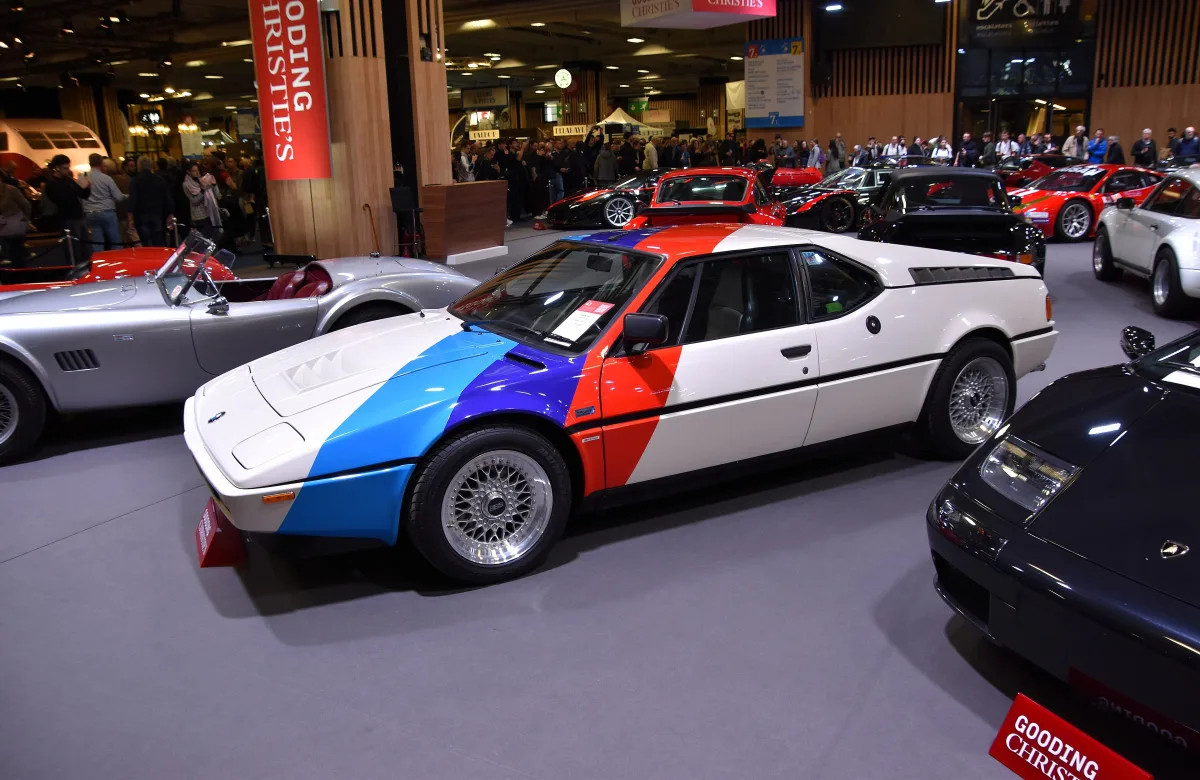
BMW M1: features, engine and what to know before buying
BMW M1 — the supersports car produced by BMW Motorsport from 1978–1981 with a mid-mounted six-cylinder engine. We look at the technology, history, and what you need to know when considering the purchase of such a collectible car.






BMW M1 in brief
The BMW M1 was the only supersports car from BMW with a mid-engine and the first model created by the BMW Motorsport division. The body design was by Giorgetto Giugiaro. Production was initially entrusted to Lamborghini, but due to the company's financial difficulties, the car was ultimately assembled in Germany.
Around four hundred and fifty units were produced in total, including race cars. Today, the M1 is a rare and valuable collectible model, with virtually none in Lithuania.
Versions and variants
The main variant is the road-going M1. Alongside it, race variants were produced, including the 'Procar' series, where the M1 competed with Formula 1 drivers during Grand Prix race weekends.
Due to the limited production run, there are hardly any different road-going versions, so the purchase decision is determined by the car's history, originality, and condition.
Engine and transmission
The M1 is powered by a 3.5-litre inline six-cylinder petrol engine (M88) with around 277 hp. The car is rear-wheel drive.
The transmission is a 5-speed manual. Thanks to the lightweight body and mid-engine layout, the car offers excellent handling and balanced driving dynamics.
What to know when buying an M1
The M1 is rarely sold and usually only at specialist auctions or through dealers. The most important thing is the paperwork: factory records, service history, and confirmation that the engine and body are original.
Before purchasing, an independent BMW classic specialist inspection is essential. The engine, gearbox, body panels, glass trim details, and overall condition need to be checked.


Trim levels
Names and equipment vary by market and year; we list the most commonly found trims in Europe.
BMW M1 (gatvinis)
1978–1981The base version with a 3.5-litre six-cylinder engine.
- Around 277 hp
- Five-speed manual gearbox
- Mid-engine layout
BMW M1 Procar
1979–1980The Procar series racing version.
- Built for racing
- Tailored for the track
- Extremely limited production run
BMW M1 comparison
| M1 (gatvinis) | M1 Procar | |
|---|---|---|
| Who's it for? | For collectors and drivers | For fans of racing history |
| Engine | 3.5-litre R6 (M88) | Racing engine |
| Purpose | Roads and tracks | Tracks |
| Price in the used market (relatively) | €€€ | €€€ |
For most buyers, the real choice is the road-going M1. The Procar is a collectible piece of racing history.
Pros
- Iconic BMW racing history
- Giugiaro design
- Balanced mid-engine layout
- Collector's item
Cons
- Practically unobtainable on the market
- Expensive maintenance and parts
- Old design, limited comfort
Frequently asked questions
How many BMW M1s were produced?
Around 450 cars, including racing variants.
Why is the BMW M1 so special?
It was the first BMW Motorsport-produced series car and the only BMW with a mid-engine layout. Its significance in BMW history is immense.
What is the BMW M1's engine power?
Around 277 hp, provided by a 3.5-litre straight-six M88 engine.
Updated 2026-10-19 · Trim levels and equipment vary by market and model year — check the equipment of the specific car. · Translated automatically


