 English
 Lietuvių
 Latviešu
 Eesti
 Polski
 Русский
 Українська
 Deutsch
 Nederlands
 Čeština
 Slovenčina
 Svenska
 Norsk
 Dansk
 Suomi


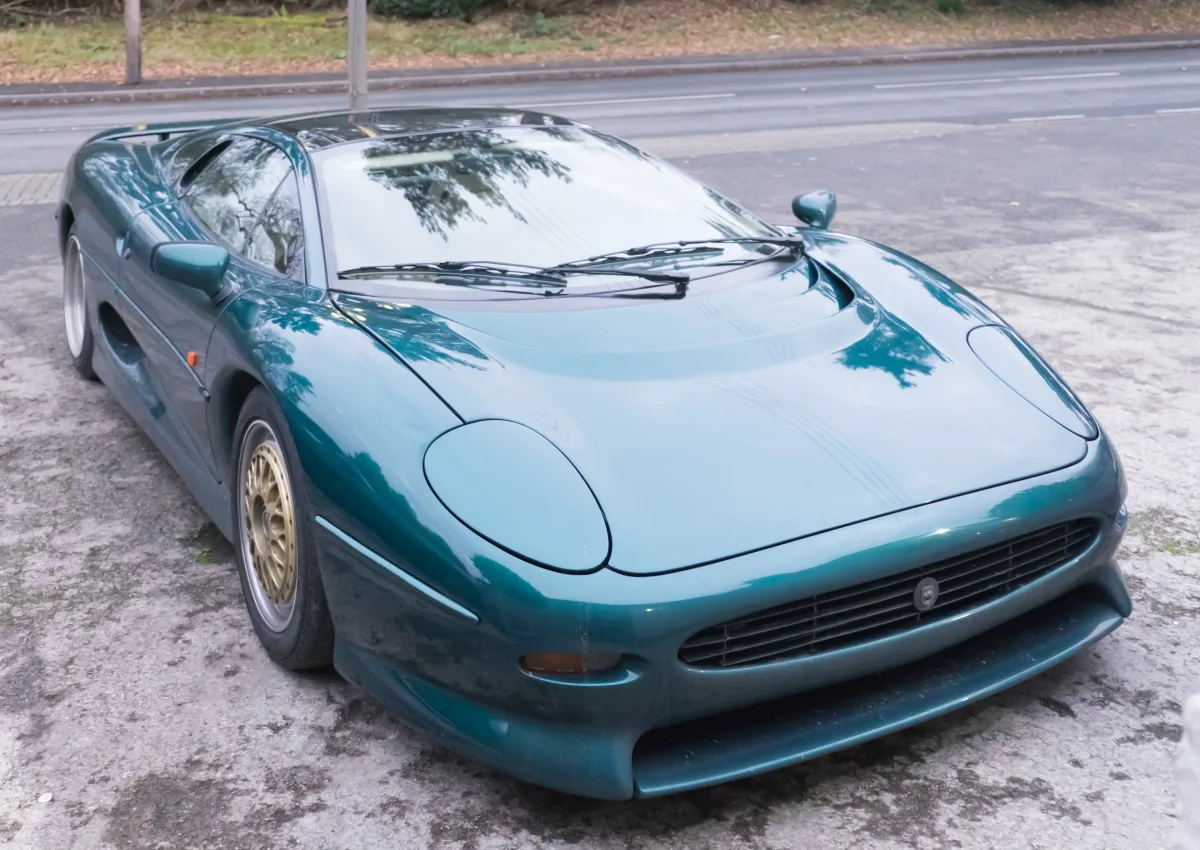
Jaguar XJ220: the engine, history and what to know before buying
The Jaguar XJ220 is a twin-turbo V6 supercar produced between 1992 and 1994, once considered the fastest production car in the world. This article delves into its history, technology, and what you need to know when considering this collectible car.






The XJ220 in brief
The XJ220 was born as a 1988 concept car with a V12 engine and all-wheel drive. The production version featured a twin-turbo V6 and rear-wheel drive, sparking debates among some buyers.
A small number were produced — around 280 cars. Today, the XJ220 is a collectible, with its price heavily dependent on condition and history.
Which version to choose
The standard XJ220 is the main version, with differences between cars usually down to colour, trim, and optional extras. The key factors are condition and service history.
There's also the race version, the XJ220 C, developed with TWR, but it's rare and built for competition.
The engine and gearbox
The standard XJ220 has a 3.5-litre V6 engine with twin turbochargers, producing around 540bhp. The engine was developed by TWR from a rally car unit.
The gearbox is a five-speed manual, with power sent to the rear wheels. Driving demands experience, and the speed and power are for a skilled driver.
What to check when buying an XJ220
A full history and specialist check are essential, with someone who knows this model inside out. Check the condition of the engine and turbocharger, cooling system, and gearbox, as finding parts and specialists can be tricky.
Inspect the aluminium body for signs of previous accidents, check the electrical equipment, brakes, and tyres. Due to the high costs involved, it's worth hiring an independent expert before buying.


Trim levels
Names and equipment vary by market and year; we list the most common trims found in Europe.
XJ220
1992–1994Standard version with a 3.5-litre V6 turbo.
- Around 540 bhp
- Five-speed manual gearbox
- Aluminium body
XJ220 C
racingRacing version, developed by TWR.
- Designed for competition
- More aerodynamic details
- Very rare
Comparison of XJ220 versions
| XJ220 | XJ220 C | |
|---|---|---|
| Who's it for? | For collectors | For track enthusiasts |
| Engine | 3.5-litre V6 turbo | 3.5-litre V6 turbo |
| Transmission | Rear-wheel drive | Rear-wheel drive |
| Rarity | Large | Very large |
| Price in the used market (relatively) | €€€ | €€€ |
For most buyers, the real choice is the standard XJ220, as other versions are very rare. The key is a full history and thorough inspection.
Pros
- Unique design and historical significance
- Incredibly fast for its time
- Production numbers and collector value
- Aluminium construction
Cons
- Extremely high price and maintenance costs
- Shortage of parts and specialists
- Criticism for the V6 and rear-wheel drive setup instead of the V12 concept
Frequently asked questions
How many XJ220s were made?
Around 280 cars were produced between 1992 and 1994. This is a very small number, making the model highly sought after by collectors.
What engine does the Jaguar XJ220 have?
A 3.5-litre V6 with twin turbochargers, producing around 540 bhp. It was developed by TWR, not the Jaguar V12 as was the case with the concept car.
Why was the XJ220 criticised?
Some buyers expected the concept car to feature a V12 and all-wheel drive, but the production model came with a V6 and rear-wheel drive. Nevertheless, the car remained fast and distinctive.
Updated 2026-10-19 · Trim levels and equipment vary by market and model year — check the equipment of the specific car. · Translated automatically


