 English
 Lietuvių
 Latviešu
 Eesti
 Polski
 Русский
 Українська
 Deutsch
 Nederlands
 Čeština
 Slovenčina
 Svenska
 Norsk
 Dansk
 Suomi


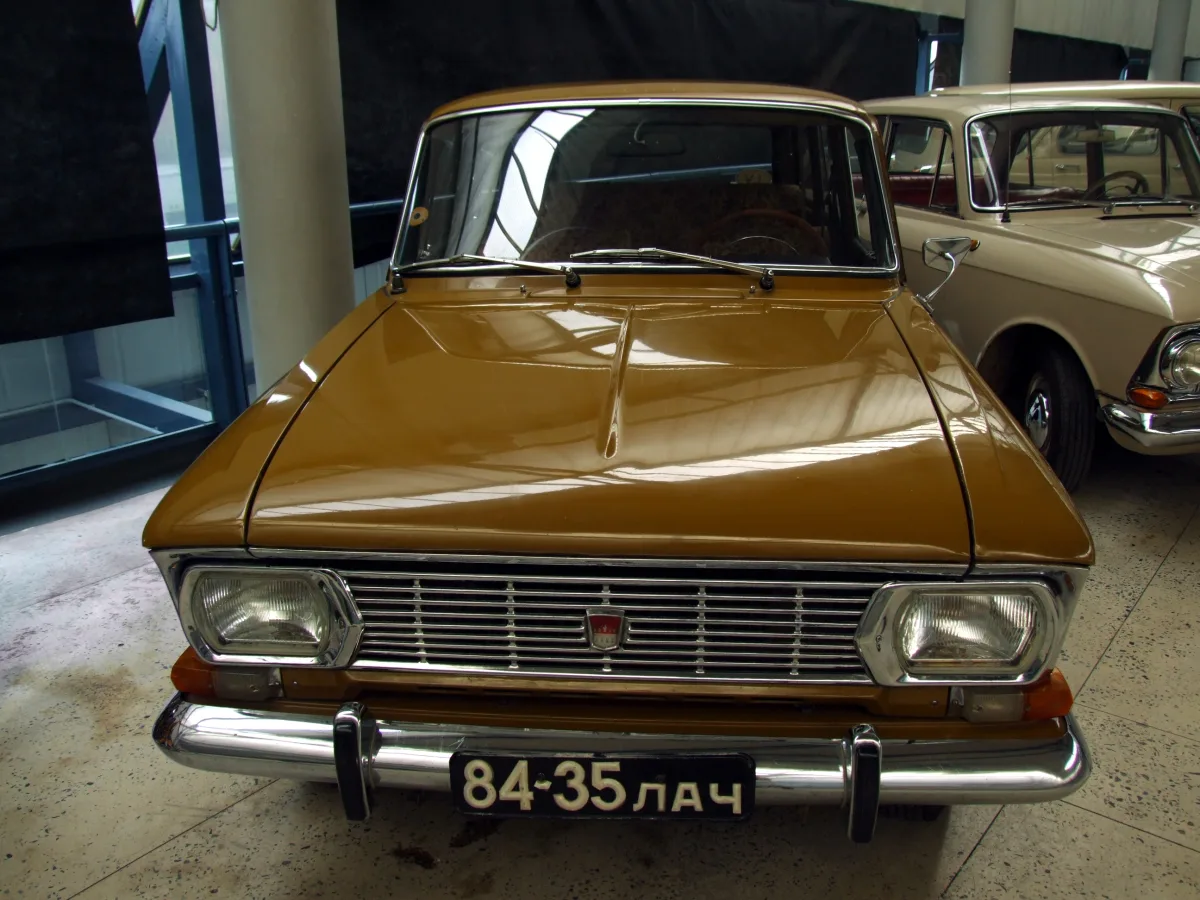
Moskvich 426: the Soviet-era estate car, engine and buying advice
Moskvich 426 — the Soviet estate car, based on the popular 408 series saloon. We look at what sets it apart, its tech and what to check when buying this retro motor.






Moskvich 426 in brief
Moskvich 426 — the estate car built on the Moskvich 408 platform. It's a practical Soviet-era family and load-lugger, and today it's a retro enthusiast's dream.
In Lithuania, Soviet-era Moskvich cars were very common, so many residents remember them from their childhood. Nowadays, they mostly remain as collectible or hobby cars.
What sets the 426 apart
The main difference from the saloon is a larger, more practical estate body with rear (boot) doors. This allowed for more cargo, but the running gear and tech remained the same as the saloon.
The body shape and interior style reflect 1970s Soviet design. Specific versions and year differences may vary, so it's recommended to check the factory specs and documents.
Engine and gearbox
The Moskvich 408 series used an approximately 1.4-litre petrol engine with a manual 4-speed box, rear-wheel drive. It's simple, reliable and easy to maintain tech that enthusiasts can look after.
Power is modest, suitable for leisurely driving, not today's motorways. So, it's worth using this car for short distances and in good weather.
What to check when buying a Moskvich 426
The biggest problem is rust. Thoroughly inspect the sills, floors, wings, rear doors and the underside of the boot. Estate bodies have more joints where moisture can accumulate.
Check the documents and VIN, as old cars are often sold without proper paperwork. Look for parts in clubs and specialist shops; you might need to search abroad for some components.


Trim levels
This model doesn't feature a modern trim system; we describe them generally below.
Universalas
Built during the Soviet eraA practical estate body on the 408 series chassis.
- Estate body with rear (boot) doors
- Simple mechanical tech
- Retro interior
Comparison with the saloon
| Moskvich 426 (universalas) | Moskvich 408 (sedanas) | |
|---|---|---|
| Who it suits | For hauling cargo and shows | For classic daily driving |
| Body | Universalas | Saloon |
| Rear-wheel drive | Larger | Smaller |
| Price in the used market (relatively) | Mid-range | Mid-range |
If you need more practicality, go for the estate. Sedans are more common, but the 426 is worth buying as a rarer specimen.
Pros
- Simple tech, easy to fix
- Practical estate body
- Retro design
- Enthusiast community
Cons
- Corrosion — the main risk
- Cute power and old-school safety features
- Parts need to be sourced from clubs and abroad
Frequently asked questions
How does the Moskvich 426 differ from the 408?
The 426 is the estate version, while the 408 is the sedan. The tech and running gear are very similar.
Is the Moskvich 426 suitable for daily driving?
These days, it's most commonly used as a hobby or show car. Its power, safety features, and parts availability make it less than ideal for daily use.
Where can you find parts?
Specialist clubs, retro car shows, and overseas retailers. Some parts are interchangeable with other Moskvich models.
Updated 2026-10-21 · Trim levels and equipment vary by market and model year — check the equipment of the specific car. · Translated automatically


