 English
 Lietuvių
 Latviešu
 Eesti
 Polski
 Русский
 Українська
 Deutsch
 Nederlands
 Čeština
 Slovenčina
 Svenska
 Norsk
 Dansk
 Suomi


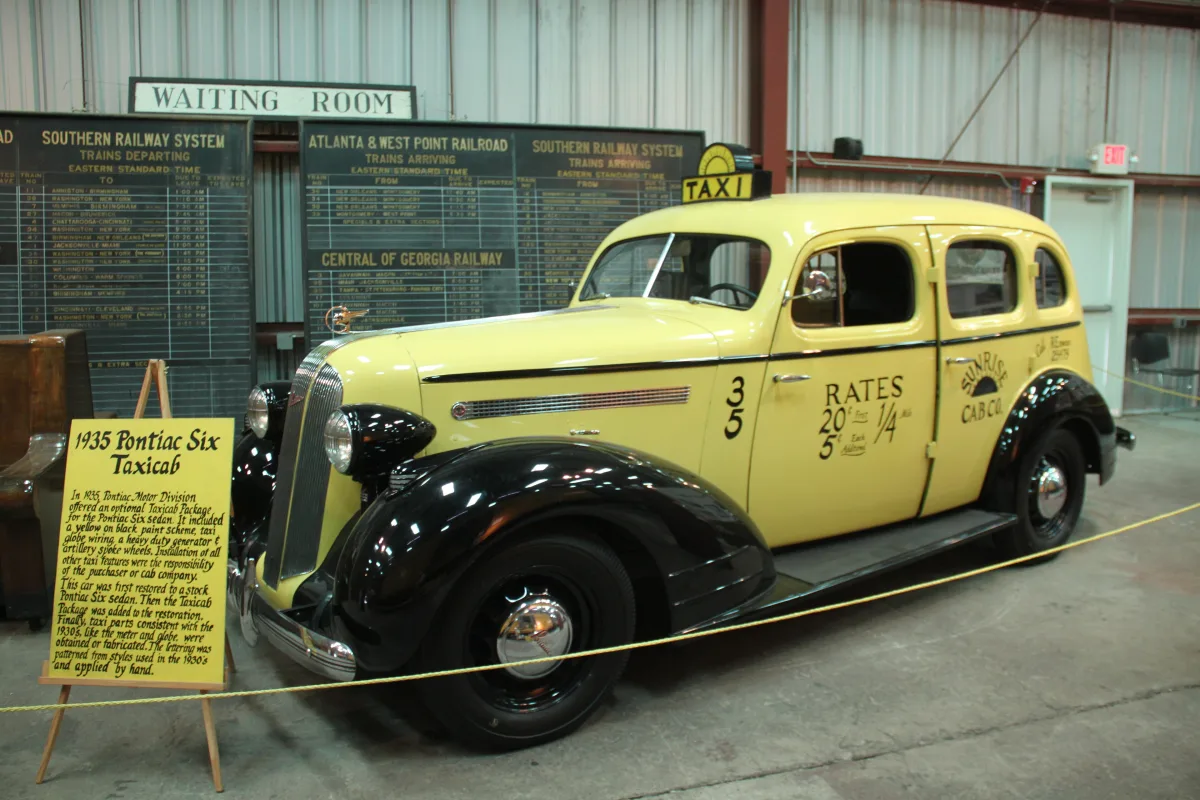
Pontiac Standard Six (1935): the base pre-war Pontiac version
The Pontiac “Standard” was the main six-cylinder Pontiac model of 1935, sold alongside the more luxurious “Deluxe”. We look at what makes it special, its technology, and what collectors need to know.






Standard in brief
In 1935, Pontiac brought back the “Standard” level in its six-cylinder model line: the base version was called the Standard Six, with the more luxurious Deluxe Six sold alongside it. Above them stood the eight-cylinder series.
The Pontiac 6 was generally produced from 1926–1932 and again from 1935–1940. The 1935 models belong to the second of these periods, so they feature newer construction than the Pontiacs of the 1920s.
How it differs from the Deluxe
The Standard was the more basic version with less chrome and simpler interior trim. The Deluxe had more trim details and more comfortable equipment, so today it often commands a higher price.
You can identify a specific version by the production number and trim, but many cars have been restored or modified over the decades, so ask for documents confirming the original specification.
Engine and technology
The Pontiac Standard Six was powered by an inline six-cylinder petrol engine. Technical specifications vary by year of production, so check the exact figures in the documents for the specific car.
The gearbox is manual, and the brakes are drum-type. The technology is simple and straightforward, but today requires a specialist who knows pre-war cars.
What to check when buying such a car
The most important thing is to check for rust on the body and frame, especially in the sills, floors, and under the wings. Ensure that the wooden body parts (if any) are in good condition, and that the upholstery and trim are intact.
Check that the engine runs smoothly, that there are no leaks, and that the brakes and steering work properly. Parts may need to be sourced through U.S. Pontiac clubs, so assess their availability in advance.


Trim levels
The Pontiac Standard came with several body styles, so we describe the most common ones below.
Sedanas
1935Enclosed passenger body for the family.
- Often a two or four-door sedan
- More basic interior trim
- Six-cylinder engine
Kupė
1935A more compact two-door body.
- Often with more basic trim
- Six-cylinder engine
- A rarer variant
Taksi ir komercinės versijos
1930sUsed for work as taxis and other commercial purposes.
- The core technology is the same
- Simpler interior trim
- Often — special colours or badges
Pontiac Standard body styles comparison
| Sedanas | Kupė | Taksi | |
|---|---|---|---|
| Who it suits | For families and collectors | For collectors | For history enthusiasts |
| Engine | Six-cylinder | Six-cylinder | Six-cylinder |
| Usage | Events and shows | Events and shows | Shows |
| Price in the used market (relatively) | €€€ | €€€ | €€€ |
This is a collector's car, not a daily driver. Choose based on condition and originality, not just the trim level.
Pros
- Pre-war American classic on offer
- Six-cylinder engine
- Simple mechanics
- Active club community in the USA
Cons
- Very rare in Lithuania
- Parts need to be ordered from the USA
- Requires constant maintenance
Frequently asked questions
Is the Standard the same as the Deluxe?
No: the Standard was the base, more basic version, while the Deluxe was the more luxurious, with more trim and features.
Can the Standard be used daily?
This is not recommended: a pre-war car has limited safety and basic brakes. It's more suited to events and weekend drives.
Where to find parts?
Often through USA Pontiac classic car clubs and specialist parts shops. Before buying, check which parts are needed for the specific car.
Updated 2026-10-21 · Trim levels and equipment vary by market and model year — check the equipment of the specific car. · Translated automatically


