 English
 Lietuvių
 Latviešu
 Eesti
 Polski
 Русский
 Українська
 Deutsch
 Nederlands
 Čeština
 Slovenčina
 Svenska
 Norsk
 Dansk
 Suomi


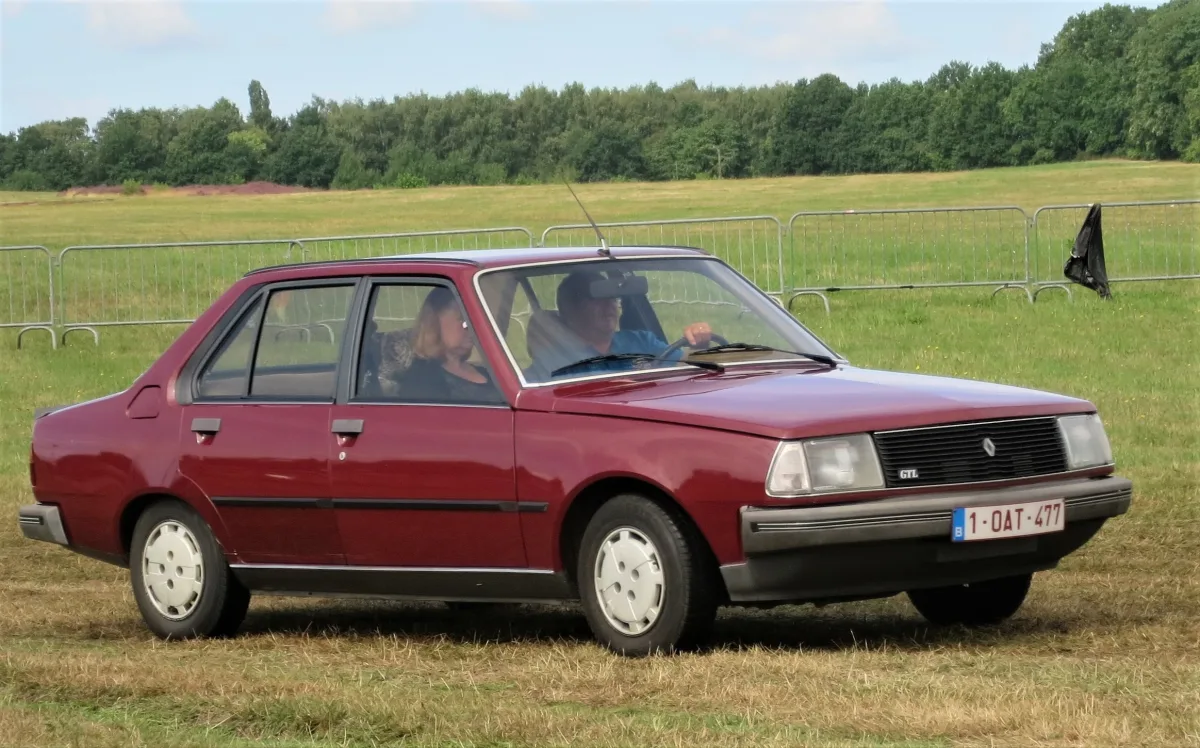
Renault 18: sedan and estate from the 1970s–1980s
Renault 18 — a front-wheel-drive mid-size sedan and estate produced from 1978 to the mid-1980s. We look at its engines, well-known versions, and what to consider when hunting for a used Renault 18.






Renault 18 in brief
Renault 18 was a simple, practical family car designed to replace the Renault 12. It was offered as a sedan and an estate Break, making it suitable for both daily use and road trips.
Today, the Renault 18 is a rare classic car. Most surviving examples are in the hands of enthusiasts, and you'll hardly ever spot one in Lithuania.
Which version to choose
Renault 18 was produced in one generation, but versions differed by engine and equipment. The most common are TL, GTL, TS, and GTX; the sportier 18 Turbo version stands out separately.
If you're after a straightforward daily driver, go for the TL or GTL. TS and GTX offer more comfort features, while the 18 Turbo is the most dynamic and collectible variant.
Engines and gearboxes
Renault 18 featured four-cylinder petrol engines ranging from about 1.4 to 2.2 litres, as well as diesel versions. The Turbo version had a 1.6-litre turbo engine, delivering around 110hp.
Gearboxes were either four- or five-speed manual, with some versions offering an automatic. Front-wheel drive and a simple layout make the car easy to drive.
What to check when buying a used Renault 18
First, inspect the body for rust — look at the sills, wheel arches, floor, and the rear edge of the boot. This is a major issue with older Renaults, and bodywork repairs can be expensive.
Check the engine condition, cooling system, and gearbox. In turbo versions, it's especially important to check the condition of the turbocharger and oil consumption.
Parts availability is limited, so before buying, find out where you can get them. Also, ensure the car has all its paperwork in order.


Trim levels
Names and equipment vary by market and year; we list the most common trims found in Europe.
TL
From 1978The base version with simpler equipment.
- Often — a smaller engine
- Basic interior trim
- Often — a manual gearbox
GTL
From 1978The popular mid-range trim.
- Often — better interior trim
- Often — more comfort features
- Often — a 5-speed gearbox
TS
From 1978The sportier version with a more powerful engine.
- Often — a more powerful engine
- Often — better equipment
- Often — sportier trim
GTX
From 1978Higher-spec version with more comprehensive equipment.
- Often — electrically operated windows
- Often — more luxurious trim
- Often — a larger engine
Turbo
1981–1983Sporty turbo version.
- 1.6-litre turbo engine, around 110 hp
- Often — sporty trim
- A rarer offering
Comparing versions
| TL | GTL | GTX | Turbo | |
|---|---|---|---|---|
| Who it's for | For everyday use | Everyday comfort | Maximum comfort | For enthusiasts |
| Engine | Smaller | Mid-range | Larger | 1.6-litre turbo |
| Interior | Basic | More comfortable | Luxurious | Sporty |
| Price in the used market (relatively) | € | € | €€ | €€€ |
Most buyers go for the GTL or GTX, while the Turbo is for enthusiasts willing to invest in a bigger budget and more intensive maintenance.
Pros
- A practical sedan or estate
- Simple construction
- A rare classic car
- The sporty 18 Turbo version for enthusiasts
Cons
- Rust and old age
- Limited parts availability
- Basic safety levels by today's standards
Frequently asked questions
Is the Renault 18 rare in Lithuania?
Yes, it is quite rare — most of the remaining cars are in the hands of classic car enthusiasts.
Is there a Renault 18 estate?
Yes, the estate was called the “Break” and was more practical for cargo and journeys.
What makes the Renault 18 Turbo special?
This is the sportiest version with the 1.6-litre turbo engine, which is now considered a collector's item but is the hardest to find.
Updated 2026-10-19 · Trim levels and equipment vary by market and model year — check the equipment of the specific car. · Translated automatically


