 English
 Lietuvių
 Latviešu
 Eesti
 Polski
 Русский
 Українська
 Deutsch
 Nederlands
 Čeština
 Slovenčina
 Svenska
 Norsk
 Dansk
 Suomi


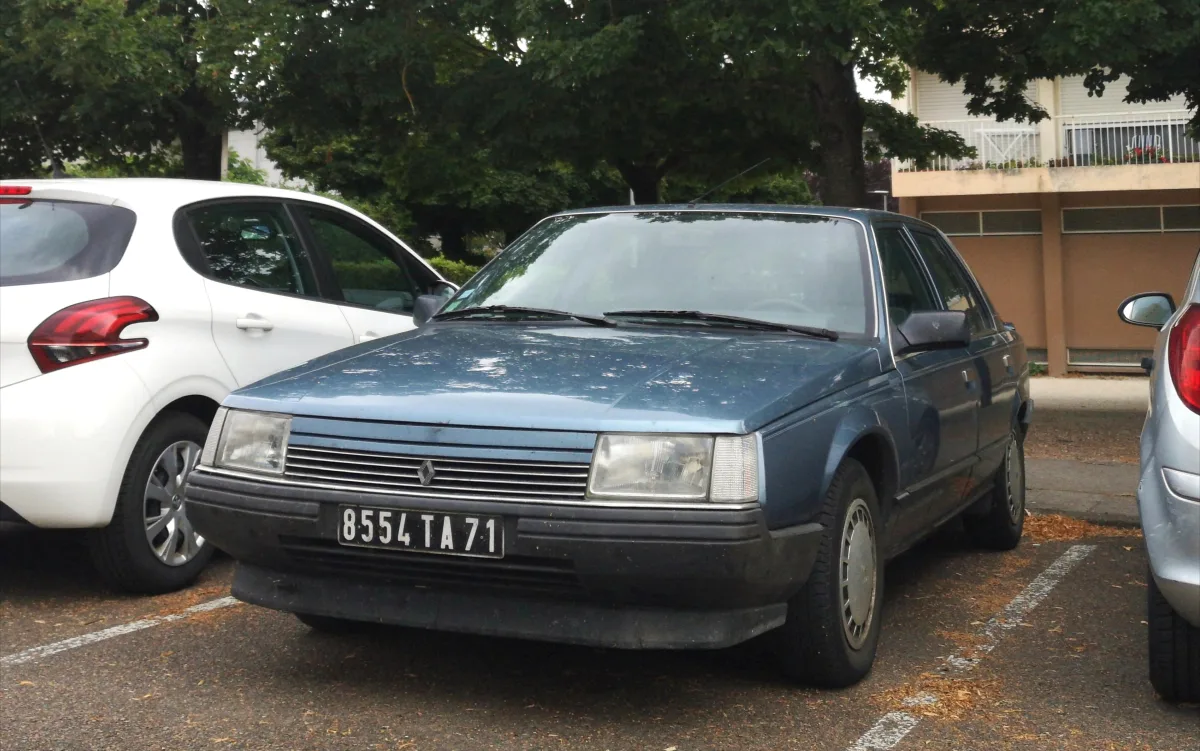
Renault 25: a high-end hatchback, engines and trims
Renault 25 (1984–1992) — a high-end front-wheel-drive hatchback that was one of the most advanced Renault models of its time. We look at the generations, engines, and what to check before buying such a classic car.






Renault 25 in brief
The 25 was Renault's flagship with a large hatchback body, comfortable ride, and plenty of electronics. It was designed for long journeys and comfortable driving.
Today, it's a classic car that collectors seek out, but it demands meticulous maintenance.
Which generation to choose
The first generation (1984–1988) has an original design but simpler equipment. The second generation (from 1988) got a refreshed front, interior, and improved technology.
Many buyers opt for the second generation as it's more modern and often better equipped.
Engines and transmissions
Petrol engines — 2.0 and 2.2 litres, plus V6 (2.5 turbo and 2.9). Diesels — 2.1 litre turbo version.
Transmissions — manual or automatic. The automatic is usually paired with V6 engines.
What to check when buying a used Renault 25
Electrical equipment — one of the most sensitive areas: check all functions (windows, lighting, climate control, computer) and their operation.
Inspect the body for rust, the cooling system, the history of seatbelt replacement, and suspension parts. V6 engine wear and turbo condition are essential to check.


Trim levels
Names and equipment vary by market and year; we list the most commonly found trims in Europe.
GTS
Phase I–IICommon mid-range trim.
- Often — 2.0-litre engine
- Often — electric windows
- Often — central locking
TX
Phase I–IIBetter-equipped version.
- Often — 2.2-litre engine
- Often — climate control
- Often — lightweight alloy wheels
V6 Turbo
Phase I–IIMost powerful version with V6 turbo engine.
- V6 turbo engine
- Often — more luxurious interior
- Often — more comprehensive equipment
Baccara
Phase I–IITop-of-the-range trim.
- Often — leather upholstery
- Often — full comfort equipment
- Often — automatic transmission
Comparing versions
| GTS | TX | V6 Turbo | Baccara | |
|---|---|---|---|---|
| Who it suits | For daily driving | For comfort | For power | For luxury |
| Engine | 2.0-litre | 2.2-litre | V6 turbo | V6 or turbo |
| Interior | Simpler | More Comfortable | Luxurious | Most Luxurious |
| Price in the used market (relatively) | € | € | €€ | €€€ |
For most buyers, a well-functioning electrical system and a tidy body are key. Opt for a Phase II model with a proven engine.
Pros
- Spacious, comfortable interior
- Lots of features for its time
- Distinctive design
- Characteristic V6 engines
Cons
- Complex electrical system
- Older cars with rust
- Scarcity of parts and mechanics
Frequently asked questions
Is the Renault 25 reliable?
Technically quite simple, but electrical and age-related issues are common. Opt for well-maintained examples.
Which generation is best?
Often, the second generation is more modern and better equipped.
Is the V6 worth choosing?
If you want power and comfort, yes, but you need to check its condition and maintenance.
Updated 2026-10-09 · Trim levels and equipment vary by market and model year — check the equipment of the specific car. · Translated automatically


