 English
 Lietuvių
 Latviešu
 Eesti
 Polski
 Русский
 Українська
 Deutsch
 Nederlands
 Čeština
 Slovenčina
 Svenska
 Norsk
 Dansk
 Suomi


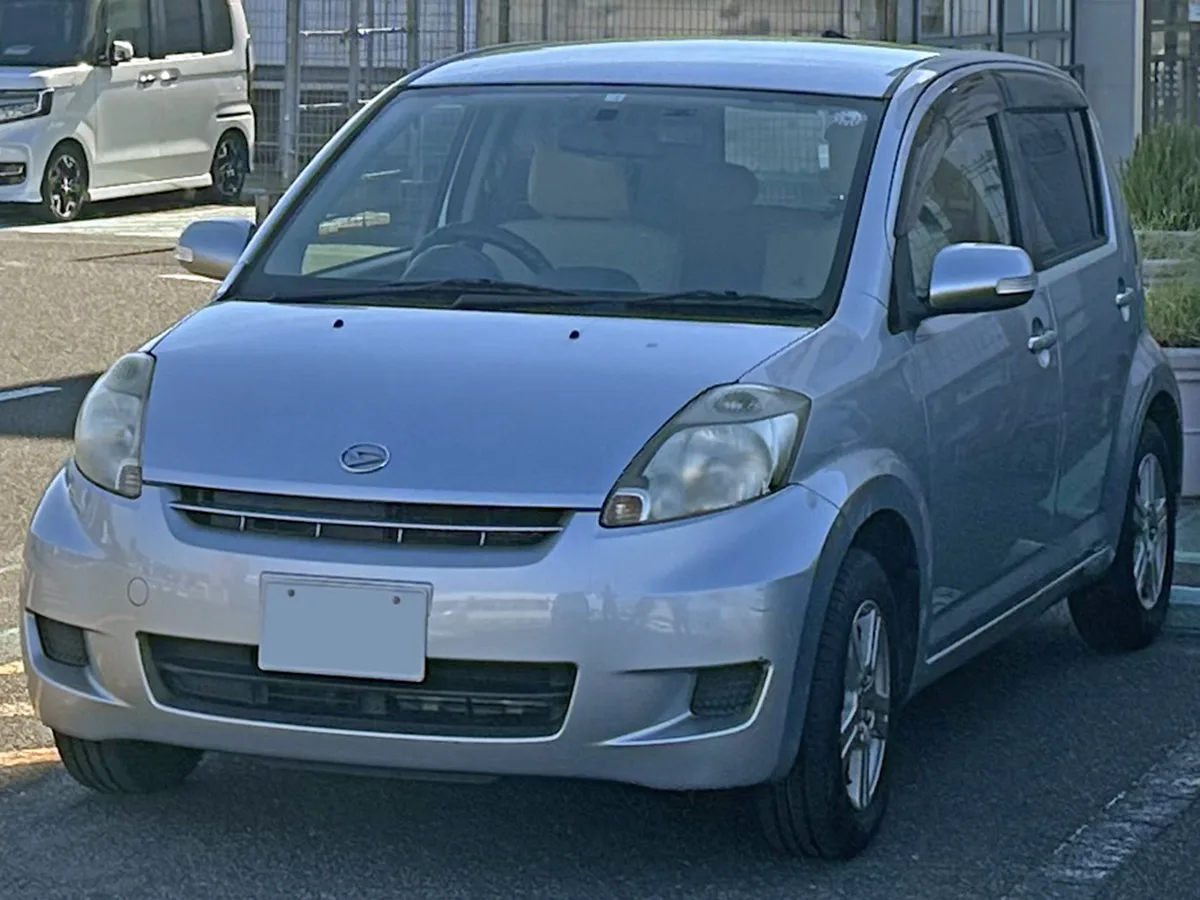
Daihatsu Boon: a compact Japanese hatchback, generations and engines
The Daihatsu Boon is a compact five-door city hatchback, produced in Japan since 2004 and co-developed with the Toyota Passo. We'll look at its generations, engines, and what you need to know before buying a used import.






Boon in brief
The Boon is a compact city car designed for the Japanese market. It's essentially the same car as the Toyota Passo: both share the same platform and body, differing mainly in badges and minor details.
The Boon is rarely seen in Lithuania and is usually imported from Japan, so it often comes with right-hand drive. Due to its small size and low running costs, it's an attractive second car for city driving.
Generations — what's the difference
The first generation debuted in 2004 and was produced until 2010. It features a simple, rounded body and a more basic interior. Cars from this generation are now quite old, so the main concerns are mechanical condition and signs of rust.
The second generation (around 2010–2016) and third generation (from 2016 to 2023) are more modern, offering more safety features and more economical engines. If your budget allows, opt for a newer model, as it will have more features and better comfort.
Engines and transmissions
The Boon's engines are small petrol units, usually 1.0-litre, and in some versions, especially earlier generations, 1.3-litre. Power output is modest, but the car is lightweight, so it's quite nippy around town.
Gearboxes are usually automatic (self-shifting, sometimes CVT) or manual. Some versions had four-wheel drive, but it's not common.
What to check when buying a Boon
Check an imported car using auction sheets from Japanese auctions if available, and inspect for corrosion around the wheel arches and sills. Japanese cars suffer more from salt on Lithuanian roads.
Test the gearbox — it should shift smoothly, without any grinding. Check if there's a service history, and verify the availability of parts: some parts can be sourced as Toyota Passo.


Generations and versions
Boon trim names vary by year and market, so we list the generations.
I karta
2004–2010The first generation is basic and the most affordable.
- Often a 1.0 or 1.3-litre petrol engine
- A more basic interior
- Usually a manual or automatic gearbox
II karta
Around 2010–2016More modern, with additional features.
- A more economical engine
- A more comfortable interior
- Often — more safety features
III karta
2016–2023 model yearsThe latest generation with the most up-to-date equipment
- Mostly a 1.0-litre petrol engine
- More advanced safety features
- Often — a CVT gearbox
Generation comparison
| I karta | II karta | III karta | |
|---|---|---|---|
| Who it suits | A budget-friendly second car | For daily city use | For those seeking the latest equipment |
| Engine | 1.0 or 1.3-litre | Mostly a 1.0-litre | Mostly a 1.0-litre |
| Age | Oldest | Mid-range | Newest |
| Price in the used market (relatively) | € | € | €€ |
For most buyers, the best choice is the second or third generation, as they are more modern and less outdated. The first generation is only suitable when the lowest price is the priority.
Pros
- Compact size and easy parking
- Low fuel consumption and running costs
- Technical solutions shared with the Toyota Passo
- Simple mechanics
Cons
- Rare in Lithuania, parts and maintenance issues
- Often has right-hand drive
- Low power and small boot space
Frequently asked questions
Is the Daihatsu Boon the same car as the Toyota Passo?
Yes, it's the same model with different badges. Many parts are shared.
Is the Boon suitable for long-distance journeys?
It's primarily designed for city driving. It lacks the power and comfort for long journeys, although it's possible.
Does the Boon have right-hand drive?
Often yes, as the cars are imported from Japan. Check this before buying.
Updated 2026-10-21 · Trim levels and equipment vary by market and model year — check the equipment of the specific car. · Translated automatically


