 English
 Lietuvių
 Latviešu
 Eesti
 Polski
 Русский
 Українська
 Deutsch
 Nederlands
 Čeština
 Slovenčina
 Svenska
 Norsk
 Dansk
 Suomi


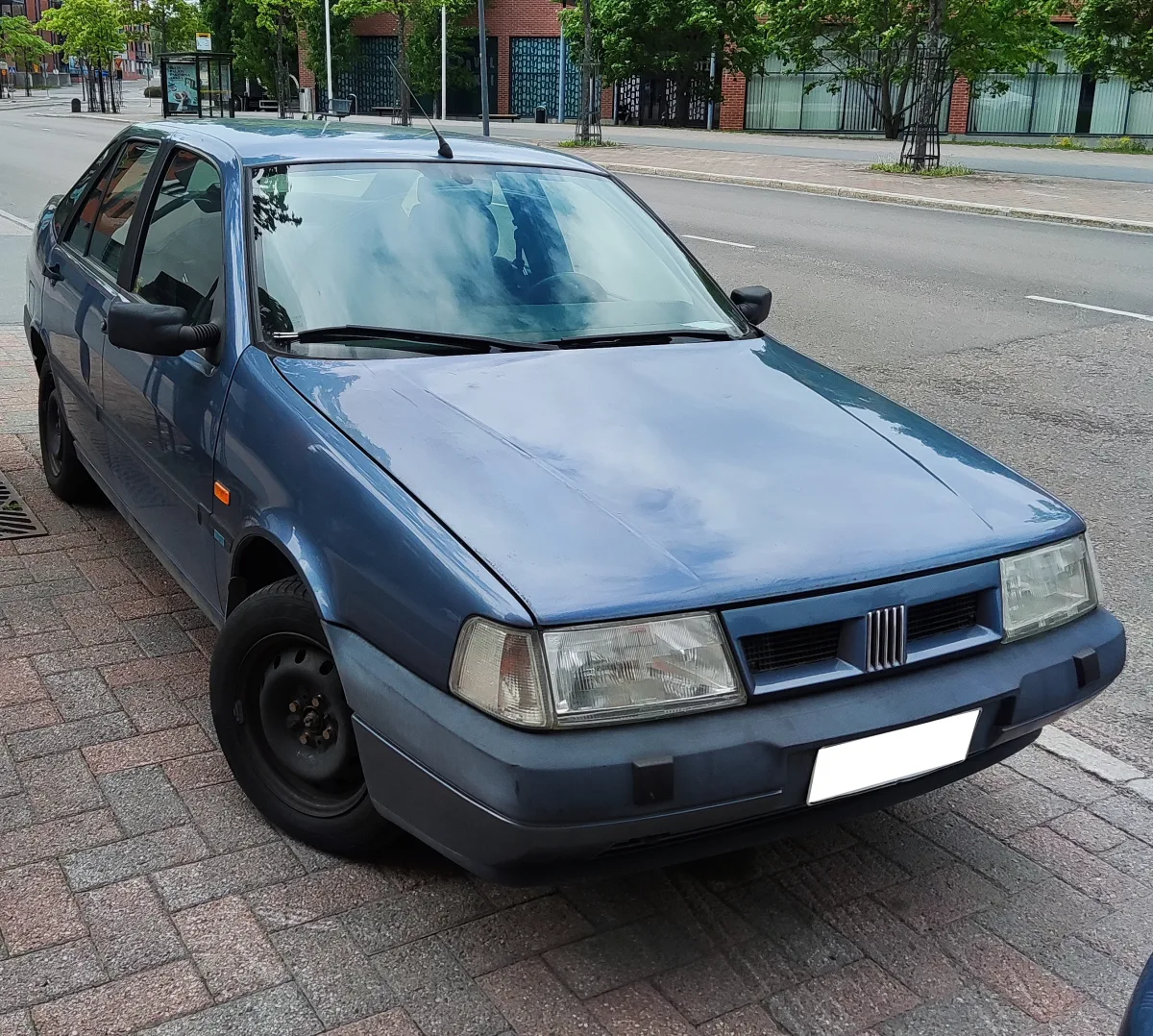
Fiat Tempra: sedan, SW, engines and what to check
The Fiat Tempra is a mid-size Fiat sedan and estate (Tempra SW) produced from 1990 to 1998 with front-wheel drive. We look at the engines, body styles, and what to check when buying a used Tempra.






Tempra in brief
The Fiat Tempra debuted in 1990 as the successor to the Fiat Regata. Built on the Fiat Tipo platform, it was offered as a 4-door sedan and estate (SW), featuring front-wheel drive and a spacious interior.
This car is considered a straightforward and practical family choice. Today, the Tempra is quite rare, so its price and condition vary greatly — the key is to find a well-preserved example.
What sets it apart
The Tempra offered plenty of space in the cabin and boot, with the estate providing even more. Thanks to its simple technology, the car doesn't seem complicated to maintain, although age takes its toll.
Later, it was replaced by the Fiat Marea. Tempra models from different years vary in minor details — trim and interior — so the choice mainly depends on the engine and condition, rather than the year of manufacture.
Engines and transmissions
In the used market, you'll find petrol engines ranging from about 1.4 to 2.0 litres, and diesels (1.9 litres, naturally aspirated or turbo). Check specific details in the vehicle's documents.
The transmission is a 5-speed manual, with an automatic option in some versions. All cars have front-wheel drive; in some markets, there was also an all-wheel-drive estate.
What to check when buying a used Tempra
The main thing to look out for is body corrosion: sills, arches, door bottoms and the boot. Check the engine oil leaks, the condition of the timing belt, the cooling system and the electrical equipment.
Test the suspension, brakes and gearbox. In diesel versions, check the condition of the turbocharger and the fuel system. Consult with a mechanic about the availability of spare parts.


Trim levels
Names and equipment vary by market and year; we list the most commonly found trim levels in Europe.
Tempra sedanas, benzinas
1990–1998Most common version with a petrol engine (around 1.4–2.0 litres).
- Petrol engine (around 1.4–2.0 litres)
- Front-wheel drive
- Often — 5-speed manual gearbox
Tempra SW
1990–1998Estate with a larger boot.
- Estate body
- Petrol or diesel engine
- Larger boot than the saloon
Tempra dyzelis
1990–1998More economical version with a 1.9-litre diesel engine.
- 1.9-litre diesel engine
- Often — turbocharged
- Low fuel consumption
Comparing Tempra versions
| Sedanas, benzinas | SW | Dyzelis | |
|---|---|---|---|
| Who it's for | For most buyers | For families and those who need plenty of space | For high-mileage drivers |
| Body style | Saloon | Estate | Saloon or Estate |
| Engine | Petrol | Petrol or diesel | 1.9-litre diesel |
| Price in the used market (relatively) | € | € | € |
Most buyers will be happy with a well-maintained sedan with a petrol engine. For more space, go for the SW, and for high mileage, consider a diesel.
Pros
- Spacious interior and large boot
- Simple construction
- Practical SW estate
- Low price in the used market
Cons
- Body corrosion in older cars
- Limited availability in Lithuania
- Less trim and a worn-out interior
Frequently asked questions
What replaced the Fiat Tempra?
The Tempra was succeeded by the Fiat Marea.
Is there an estate version of the Tempra?
Yes, the Tempra SW estate was offered.
Does the Tempra have a diesel engine?
Yes, 1.9-litre diesel versions were offered.
Updated 2026-10-19 · Trim levels and equipment vary by market and model year — check the equipment of the specific car. · Translated automatically


