 English
 Lietuvių
 Latviešu
 Eesti
 Polski
 Русский
 Українська
 Deutsch
 Nederlands
 Čeština
 Slovenčina
 Svenska
 Norsk
 Dansk
 Suomi


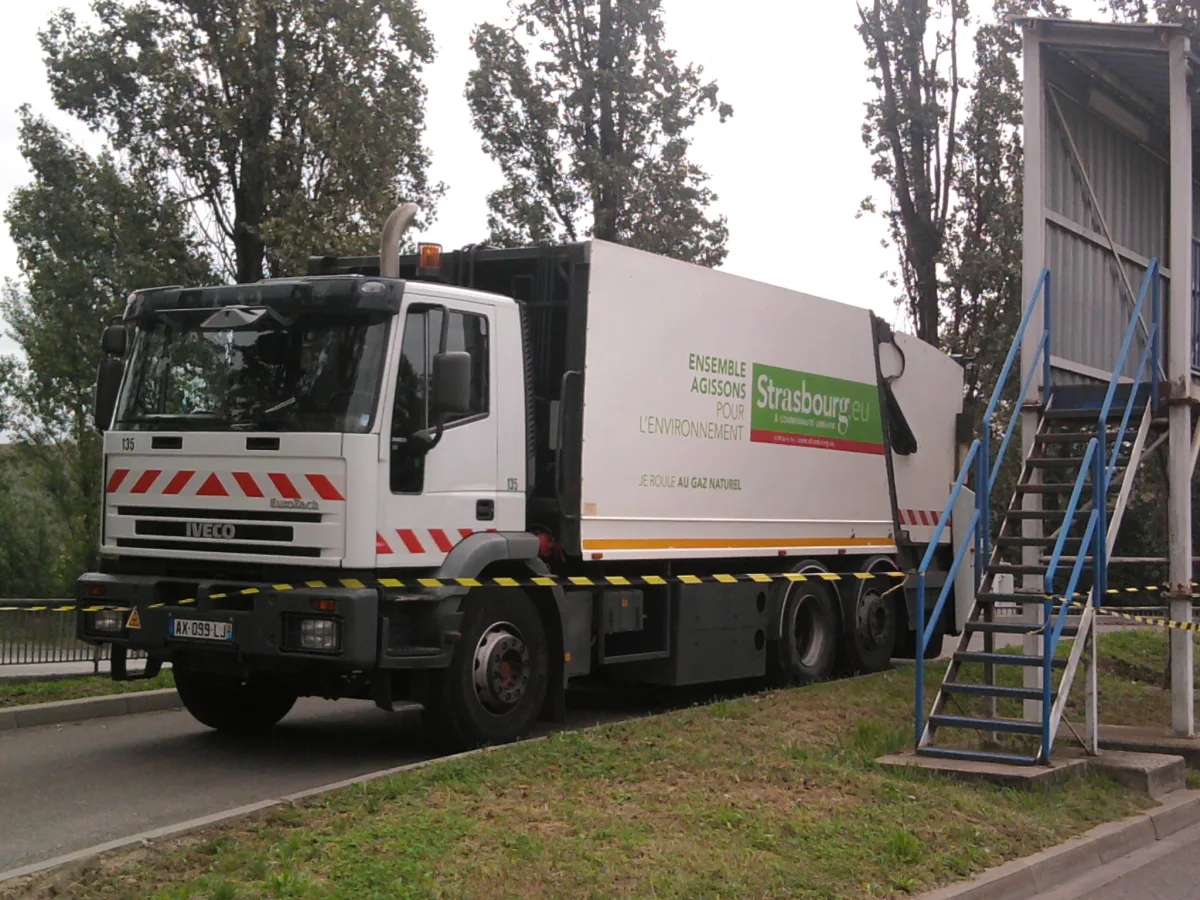
Iveco EuroTech: cabs, engines and what to check
Iveco EuroTech — the heavy-duty truck and tractor unit produced from 1992 to 2002, a close relative of the EuroStar and EuroTrakker. We look at its versions, cabs, engines and what to check when buying a used EuroTech.






EuroTech in brief
The EuroTech was Iveco's heavy-duty truck, used for long-haul journeys and distribution as well as municipal services. The most common axle configurations are 4x2, 6x2 and 6x4, with bodies ranging from tractor units to flatbeds, tippers, municipal and tanker variants.
As with other Iveco trucks, the numbers in the name indicate the gross weight and power: for example, 190E42 is roughly a 19-tonne truck with around 420hp. This coding helps quickly identify the variant.
Series — what's the difference
Early EuroTechs are more basic, with older engine designs, and a spartan interior and cab equipment. These trucks are the cheapest, but often have high mileage.
Later EuroTechs (around 1998–2002) feature newer 'Cursor' engines and more modern equipment. These are the models most sought after among used buyers.
In 2002, the EuroTech was replaced by the Iveco Stralis, so all EuroTechs are now old trucks and are mostly bought as cheap workhorses.
Engines and gearboxes
EuroTech engines are six-cylinder turbodiesels. Early models feature around 9.5-litre Iveco engines, while later ones have the 'Cursor 10' (around 10.3 litres) and 'Cursor 13' (around 12.9 litres). Power ranges from roughly 300hp to well over 450hp.
Gearboxes are usually manual, often with a splitter. Some vehicles may have an automated or automatic gearbox, so it's essential to test its operation while driving.
Emissions standards are usually Euro 1–Euro 3, so before buying, make sure the car suits your usage and routes.
What to check when buying a used EuroTech
Inspect the cabin and frame — older trucks often have corrosion at the joints, cabin corners, and frame cross-members. The cabin lift system should operate smoothly.
Start the engine cold and assess the smoke, noise, and leaks of oil or coolant. Check the turbocharger, pneumatic system, and brakes — repairs can be expensive.
Check the mileage against the service history and tachograph data. Verify the Euro class and gross weight in the documents, and for municipal vehicles, the condition of the special equipment.


Cabins and versions
Names and equipment vary by year; we list the most common EuroTech versions.
Dienos kabina
Common for distributionA more compact cabin without a sleeper.
- 2–3 seating positions
- More basic equipment
- Common in municipal vehicles
Miegamoji kabina
Common for long-haul tripsSpacious cabin with a sleeper.
- Single or double cab
- More cabin space
- Often — autonomous heater
EuroTech „Cursor“
Later productionWith newer 'Cursor' engines.
- Greater power and efficiency
- Often — Euro 2 or Euro 3
- Popular among used cars
EuroTech 6x2
Common heavy-duty versionExtra axle for heavier loads.
- More load space
- Often — with liftable axle
- Costlier maintenance than 4x2
Komunalinė versija
Common special versionRubbish collection and other municipal tasks.
- Additional equipment
- The condition of special equipment matters
- Often many motovalos
EuroTech version comparison
| Dienos kabina | Miegamoji kabina | „Cursor“ | 6x2 | |
|---|---|---|---|---|
| Who it suits | For distribution | For long-distance trips | For more economical work | For heavier loads |
| Cab | Dienos kabina | Spacious, sleeper | Mostly sleeper | Mostly sleeper |
| Engine (approx.) | Average power | Average power | Greater power | High power |
| Price in the used market (relatively) | € | €€ | €€ | €€ |
For long-distance trips, the best choice is usually the later EuroTech with the 'Cursor' engine and a sleeper cab. If price is the most important factor, the basic version will do, but then make sure to check for corrosion and engine condition.
Pros
- Spacious, comfortable cab
- Powerful 'Cursor' engines in later versions
- Wide range of body styles and configurations
- Parts and used components availability is decent
Cons
- Older vehicles often suffer from corrosion and wear
- Euro 1–3 standards restrict operation in certain zones
- Less economical than newer trucks
Frequently asked questions
What do the numbers in the EuroTech name mean?
The first digits indicate the approximate total weight, and the last two digits represent the power divided by ten. For example, 190E42 means a truck with around 19 tonnes and approximately 420 horsepower.
What category of license is needed to drive a EuroTech?
A C category licence is required for a truck, a CE for a trailer with a semi-trailer, and for working in the freight transport business, you'll also need a professional qualification and a valid tachograph card.
Is it worth choosing EuroTech today?
If you need an affordable truck and can check its condition, EuroTech could be a smart choice. Before buying, assess the corrosion, engine condition, and whether its Euro class is suitable for your intended use.
Updated 2026-10-21 · Trim levels and equipment vary by market and model year — check the equipment of the specific car. · Translated automatically


