 English
 Lietuvių
 Latviešu
 Eesti
 Polski
 Русский
 Українська
 Deutsch
 Nederlands
 Čeština
 Slovenčina
 Svenska
 Norsk
 Dansk
 Suomi


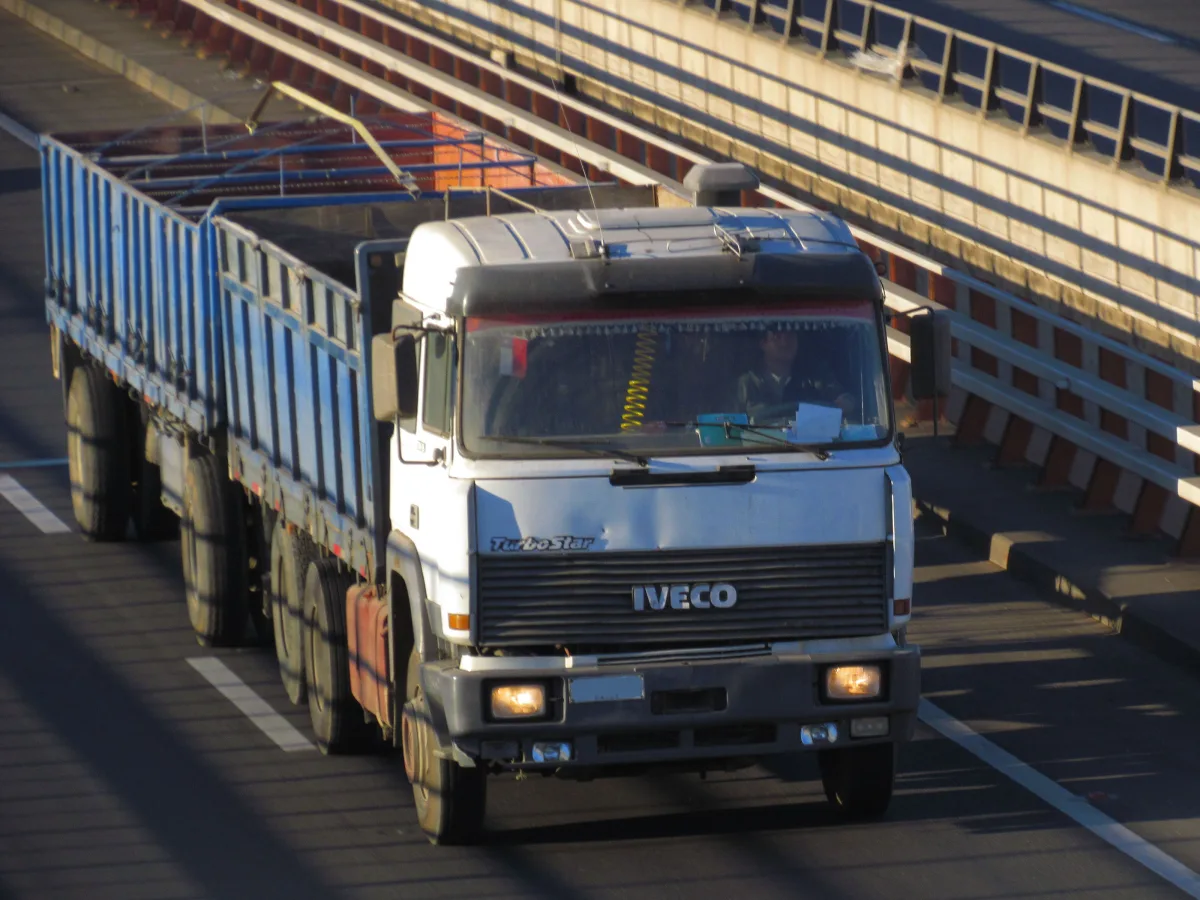
Iveco TurboStar: generations, engines and what to check
The Iveco TurboStar is a heavy-duty long-haul tractor unit produced between 1984 and 1993, one of the first in Iveco's 'star' series of trucks. We look at its generations, engines and what to check when buying a used TurboStar.






TurboStar in brief
The TurboStar was the top-tier of Iveco's heavy-duty tractors, featuring a spacious sleeper cab designed for long-haul journeys. It formed a family alongside the lighter TurboTech and the construction-focused TurboTrakker.
Today, the TurboStar is a classic truck: it's sought after by collectors and those who appreciate simple, robust mechanics. When buying, the condition of the specific example is key.
Generations — what's the difference?
The numbers in the name indicate the gross weight and power: for example, 190-38 refers to a roughly 19-tonne truck with around 380hp. Most are 4x2 tractors, but there were also 6x2 and rigid versions.
The TurboStar is for long-haul work, the TurboTech for lighter duties, and the TurboTrakker for construction. Due to their age, all these trucks are simple and fairly robust, but many have had a hard life.
In 1992-1993, this family was replaced by the EuroStar and EuroTech, so all TurboStars are now old. Their emission class predates Euro norms, making them incompatible with modern low-emission zones.
Engines and gearboxes
TurboStar engines are six-cylinder turbodiesels. Most commonly found are Iveco units of around 9.5 litres and around 13.8 litres, with power outputs ranging from roughly 300hp to well over 400hp.
Gearboxes are usually manual, often with an overdrive. It's worth test-driving them: the condition of the synchromesh and synchronizers is particularly important due to the heavy loads.
Engines are considered robust if they've been properly maintained. Before buying, ask about the oil change history, the condition of the cooling system, and whether the engine has been overheated.
What to check when buying a used TurboStar
First off — the chassis and cab. Older trucks often have corrosion around the cab corners, sills, wings, and chassis cross-members, and the cab lift system should operate smoothly.
Start the engine cold and assess the exhaust smoke, oil pressure, and turbocharger noise. Check the pneumatic system and brakes, as repairs can be expensive.
Check the mileage against the records, and ensure the vehicle meets the technical inspection requirements in the documents. If you're buying it for a collection, originality is key.


Versions
The TurboStar was produced in several versions; we list the most commonly encountered.
TurboStar vilkikas
Entire production runA classic long-haul tractor unit.
- Sleeper cab
- High power output
- Simpler interior trim
TurboStar 6x2
Common heavy-duty cargo versionExtra axle for heavier loads.
- Higher payload
- Often — with a raised axle
- More expensive to maintain
TurboStar su krovinine važiuokle
Rarer versionWith a body or special underbody.
- Often — a pickup body
- Reinforced chassis
- The body's condition dictates the value
TurboTech
Related modelA lighter family version.
- Simpler cabin
- Often — a day cabin
- A more affordable choice
Originali klasikinė būklė
Any versionCars that have retained their factory appearance.
- Original parts
- Often — collector's value
- Pricier than practical
TurboStar versions compared
| Vilkikas 4x2 | 6x2 | Su važiuokle | Originalus klasikinis | |
|---|---|---|---|---|
| Who it's for | For long-distance trips | For heavier loads | For specialist work | For collectors |
| Cab | Sleeping area | Sleeping area | Depends on the version | Original |
| Engine | Around 9.5–13.8 litres | Around 9.5–13.8 litres | Depends on the version | Depends on the version |
| Price in the used market (relatively) | € | €€ | €€ | €€€ |
If you're after a workhorse, opt for the TurboStar with a tidy chassis and proven engine; if you're a collector, hunt down an original-condition example. Due to its age, the price varies greatly depending on the specific vehicle.
Pros
- Spacious, comfortable sleeper cab
- Robust, well-known design
- Classic, sought-after truck
- Fairly simple, well-maintained mechanics
Cons
- An older vehicle means rust and wear are common
- High fuel consumption
- Limited parts availability, repairs can be expensive
Frequently asked questions
What do the numbers in the TurboStar name mean?
The first digits indicate the approximate total weight, and the last two are the power divided by ten. For example, 190-38 means roughly a 19-tonne truck with around 380 horsepower.
Is the TurboStar still usable?
Yes, but due to its age, its emissions class does not meet the requirements of modern low-emission zones. Check where it can be operated and whether it meets the technical inspection requirements.
How does the TurboStar differ from the EuroStar?
The EuroStar is the successor to the TurboStar: it has a more modern cabin, newer engines, and more equipment. The TurboStar is simpler and older, so it is often purchased as a classic or an affordable workhorse.
Updated 2026-10-21 · Trim levels and equipment vary by market and model year — check the equipment of the specific car. · Translated automatically


