 English
 Lietuvių
 Latviešu
 Eesti
 Polski
 Русский
 Українська
 Deutsch
 Nederlands
 Čeština
 Slovenčina
 Svenska
 Norsk
 Dansk
 Suomi


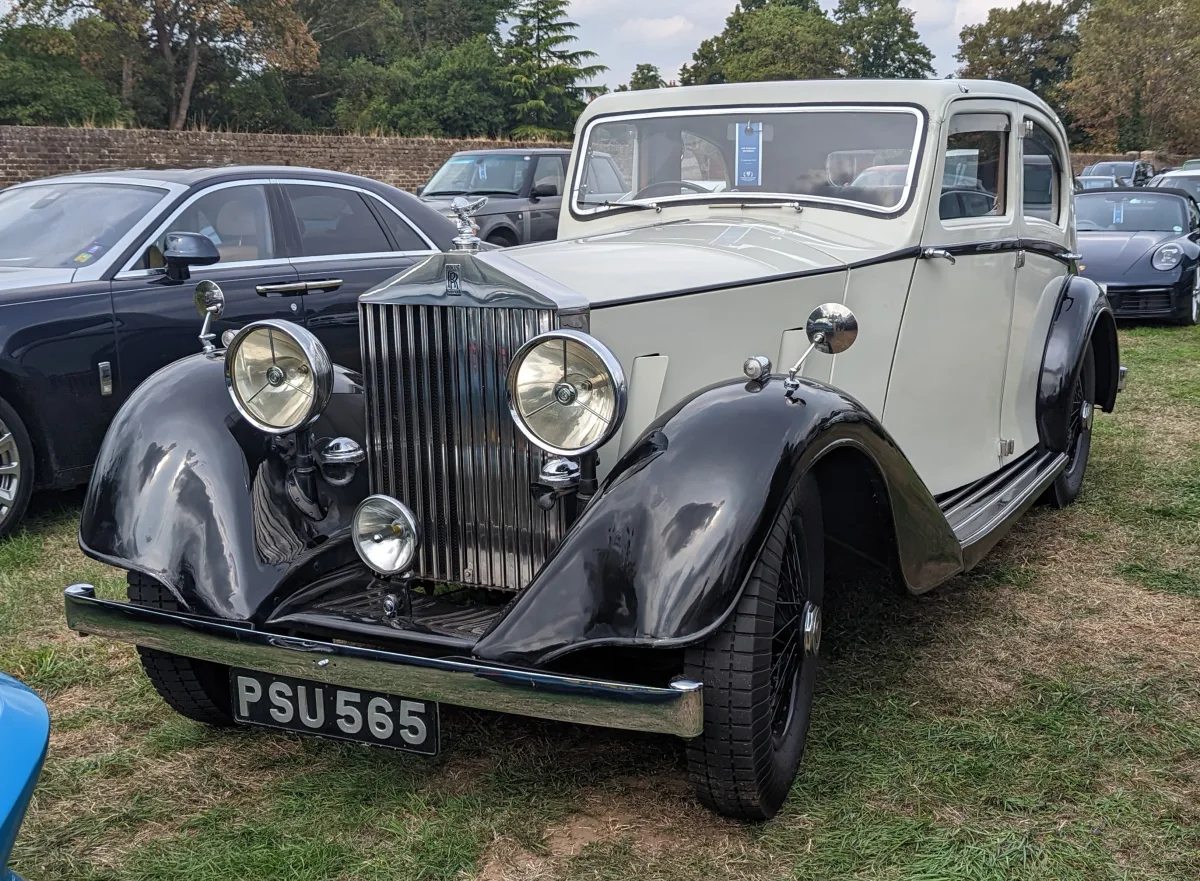
Rolls-Royce 25/30: pre-war classic and what to check when buying
Rolls-Royce 25/30 — a luxurious pre-war classic limousine produced from 1936 to 1938, replacing the 20/25 model. Today, it's a rare collectible car with virtually none on the market. We'll look at its features, engine, body types, and what's important to check before buying.






25/30 in brief
The Rolls-Royce 25/30 was created as a slightly more powerful and refined successor to the 20/25. The car was sold as a chassis, with bodies built by independent coachbuilders, so each car can look different.
The car's standout feature is its quiet and smooth operation, high-quality interior, and craftsmanship. Over its short production run, around 1200 cars were made, but only a fraction survive today.
Which version to choose
Since the body was built to order, the most important choice is the body type: sports saloon, limousine, open, or cabriolet. Open and cabriolet bodies usually command a premium.
The key criterion is the car's history: whether the original body survives, and if there are documents about previous owners and maintenance. A well-documented car is far superior to one with an unclear provenance.
Engine and gearbox
All 25/30s came with a 4.3-litre (approx. 4257 cc) straight-six engine. The gearbox is manual, and the car is rear-wheel drive.
The engine is renowned for its quiet and smooth operation. Parts are specialised, so it's essential to find a specialist who knows early Rolls-Royces.
What to check when buying a used one
First, check the body — many of these cars have a wooden frame that can rot over time. Look for any rust, corrosion, and ensure the body closes properly.
Engine, gearbox, and suspension maintenance should be documented. Check the brakes, steering mechanism, and overall condition of the suspension.
Before buying, consult the Rolls-Royce classic car club or a specialist to verify the car's authenticity. Also, check how it will be registered and insured.


Trims
Rolls-Royce built only the chassis, with bodies ordered separately; we list the most commonly mentioned body types.
Sports Saloon
1936–1938Most commonly mentioned is the closed body type.
- Closed body with four doors
- Often — wooden trim
- Luxurious interior
Limousine
1936–1938Large, luxurious limousine with a division.
- Often — a separate driver's compartment
- Plenty of space for passengers
- Often — additional seats
Drophead Coupé
1936–1938Convertible version.
- Removable roof
- Often a two-door body
- Rarer and more expensive
Tourer
1936–1938Open passenger body.
- Open cab
- Often removable roof
- Very rare
Body type comparison
| Sports Saloon | Limousine | Drophead Coupé | Tourer | |
|---|---|---|---|---|
| Who it suits | For collectors | For representation | For shows and events | For special occasions |
| Body styles (most often) | Trim levels | Trim levels | Trim levels | Trim levels |
| Interior | Leather and wood | Leather and wood | Leather | Leather |
| Engine | 4.3 V6 | 4.3 V6 | 4.3 V6 | 4.3 V6 |
| Price in the used market (relatively) | High | High | Very high | Very high |
Most collectors are satisfied with a well-documented coupe. Open-top models should only be considered if budget is no object and you can ensure specialist maintenance.
Pros
- Luxurious, hand-built construction
- Quiet and smooth six-cylinder engine
- Unique bespoke bodies
- High collectible value
Cons
- Very rare on the market
- Expensive maintenance and restoration
- Lack of specialists and parts
Frequently asked questions
How many 25/30s were made?
Around 1,200 cars were produced between 1936 and 1938, making this model quite rare today.
Who built the 25/30 bodies?
Bodies were built by independent coachbuilders, so each car can differ.
Is the 25/30 suitable for daily driving?
Not really — this is a collector's car, ideal for shows, events, and leisurely drives.
Updated 2026-10-21 · Trim levels and equipment vary by market and model year — check the equipment of the specific car. · Translated automatically


