 English
 Lietuvių
 Latviešu
 Eesti
 Polski
 Русский
 Українська
 Deutsch
 Nederlands
 Čeština
 Slovenčina
 Svenska
 Norsk
 Dansk
 Suomi


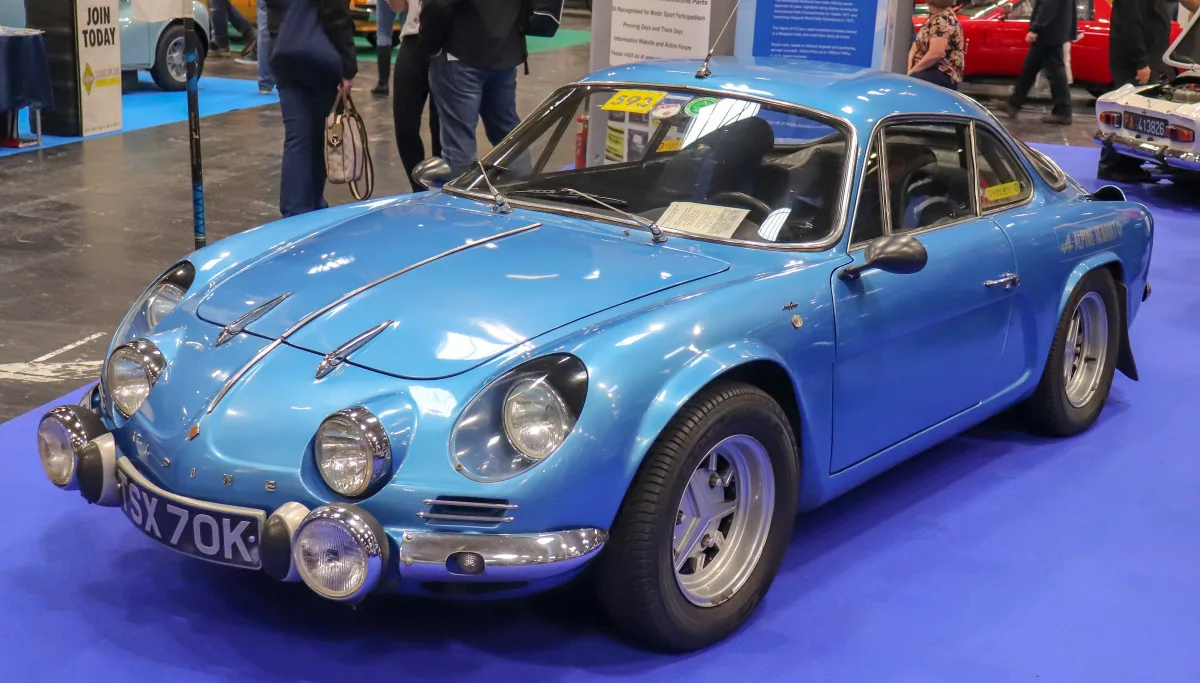
Alpine A110 (1962–1977): classic coupe and what the buyer should know
Alpine A110 — a French rear-engine sports coupe produced in the 1960s–1970s, famous from rally stages. This article is dedicated to the old A110 coupe, not the modern model that Alpine introduced in 2017.






A110 in brief
A110 — a small, lightweight coupe with a fibreglass body and rear engine. The mechanics are borrowed from Renault models, so some parts are common, but the body and chassis are unique.
The car made a name for itself in rallying: in 1973, Alpine won the World Rally Championship for Manufacturers. Because of this, the A110 is considered legendary and is valued as a collectible car.
Versions and years
The A110 was produced for many years and in several versions, which differed in engine and equipment. Apart from cars produced in France, it was also manufactured in other countries under license.
Therefore, when buying an A110, it's important not only to choose the version but also to verify the car's authenticity, as replicas and modified examples can be found on the market.
Engines and gearboxes
Four-cylinder Renault engine options were offered, with capacities ranging from about 1.1 to 1.6 litres. The most powerful classic version, the 1600S, had around 140 hp, which was plenty due to its very low weight.
The gearbox is manual, and the drive is rear-wheel. The rear-engine layout results in a distinctive handling character.
What to check when buying an A110
Since this is a collectible car, the main thing is documented history and authenticity. Check if the engine and body match the factory specification and if the car is not a replica.
Inspect the steel central frame (chassis) for corrosion — this is one of the most crucial areas — as well as the glass-fibre body for cracks and signs of repair.
Before signing on the dotted line, it's worth hiring a specialist familiar with classic Alpines, as finding quality parts and qualified mechanics can take time.


Trim levels
Names and equipment vary by market and year; we list the versions most commonly found in Europe.
A110 1100
Early yearsEarly version with the smallest engine.
- Approximately 1.1-litre four-cylinder engine
- Glass-fibre body
- Very light construction
A110 1300
Mid-productionCommon version with a larger engine.
- Approximately 1.3-litre four-cylinder engine
- Glass-fibre body
- Often — a sportier suspension setup
A110 1600S
Later yearsThe most powerful classic version.
- Around 1.6-litre engine, around 140 hp
- Improved suspension
- Often — wider tyres
Comparing versions
| 1100 | 1300 | 1600S | |
|---|---|---|---|
| Engine | Around 1.1-litre | Around 1.3-litre | Around 1.6-litre |
| Who it's for | Early A110 enthusiasts | For a balanced choice | For those seeking the most dynamic variant |
| Price in the used market (relatively) | €€ | €€ | €€€ |
Every A110 is a collector's item, so authenticity and condition are key. If you're after more dynamism, look for the 1600S.
Pros
- Legendary rally history
- Very light and fun to drive
- Distinctive styling
- Collector's value
Cons
- A rare and expensive car
- Unique rear-engine dynamics
- Finding parts and specialists
Frequently asked questions
Is this the same as the new A110?
No. This article is about the classic A110, produced until 1977. The new A110 was introduced in 2017 and is a completely different model.
What engines were in the A110?
Classic A110s used Renault four-cylinder engines, mounted at the rear.
Why is the A110 so famous?
Due to its rally success — in 1973, Alpine won the World Rally Championship.
Updated 2026-10-19 · Trim levels and equipment vary by market and model year — check the equipment of the specific car. · Translated automatically


