 English
 Lietuvių
 Latviešu
 Eesti
 Polski
 Русский
 Українська
 Deutsch
 Nederlands
 Čeština
 Slovenčina
 Svenska
 Norsk
 Dansk
 Suomi


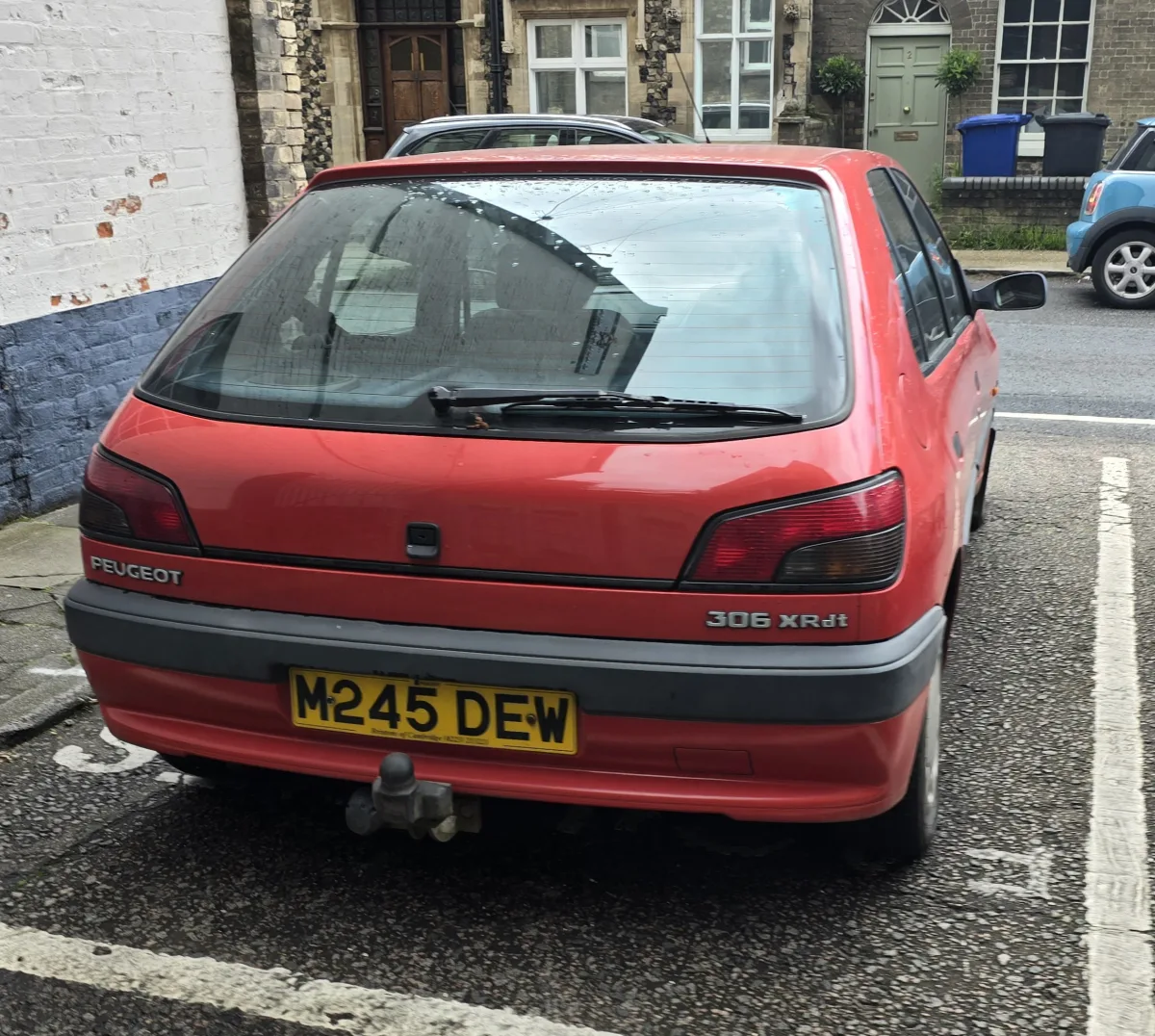
Peugeot 306: bodies, engines and trims
Peugeot 306 — a compact class car, produced from 1993 to 2002 as a hatchback, sedan, estate and convertible. In this article, we look at the bodies, engines, trims and what to check when buying an older French car like this.






306 in brief
The Peugeot 306 gained popularity for its excellent handling, precise steering and comfortable interior. The hatchback came in 3 or 5-door versions, along with a sedan, estate (Break) and a convertible designed by Pininfarina.
On the used market, the 306 appeals to driving enthusiasts and those looking for a simple, affordable car. Due to age, the condition of the cars varies greatly, so thorough inspection is key.
Which version to choose
Several production periods: the initial cars (1993–1997), refreshed in 1997 with a revised front end and interior, and later with minor updates. Refreshed cars are usually a bit more refined.
For everyday use, simpler petrol or diesel variants will do the job. The sporty S16 and GTi-6 versions are for driving enthusiasts, but their condition often depends on how previous owners treated them.
Engines and gearboxes
Petrol engines range from 1.1 and 1.4 up to 1.6, 1.8 and 2.0 (including the sporty 2.0 16V). Diesels include the 1.9 D, 1.9 TD and later the 2.0 HDi. Power output varies from around 60 to 167 hp, depending on the version.
Gearboxes come in 5 or 6-speed manual (6-speed for the GTi-6), with some versions also offering a 4-speed automatic.
What to check when buying a used 306
Body: Rust often appears on sills, wheel arches, the rear end, and underside, so thoroughly inspect the body and undercarriage. Check the rear axle mounts and suspension components; listen for rattles when driving on rough roads.
In diesel cars, check the turbo, injectors, and the history of the timing belt change. In all versions, check the electrics — windows, central locking, lighting, and in the convertible — the roof operation and signs of water ingress.


Trim levels
Names and equipment vary by market and year; for this older model, we list the most commonly found trim levels.
XR
All periodsThe base, popular trim level.
- Often — a basic sound system
- Often — electrically operated front windows
- Simpler steering wheel
XT
All periodsA more comfortable version.
- Often — air conditioning
- Often — central locking
- More interior trim details
XS
All periodsA sportier-looking version.
- Often — light alloy wheels
- Often — sporty steering
- Often — sportier seats
S16
All periodsSporty version with 2.0 16V engine.
- 2.0-litre 16V petrol engine
- Often — sporty suspension
- Sporty seats and trim
GTi-6
All periodsSportiest version with 6-speed gearbox.
- 2.0-litre 16V petrol engine, around 167hp
- 6-speed manual gearbox
- Sporty suspension and trim
Comparing the versions
| XR | XT | XS | GTi-6 | |
|---|---|---|---|---|
| Who it's for | Ideal for everyday use | For comfort | Sporty styling | For enthusiasts |
| Wheels (most common) | 14-inch | 14–15-inch | 15-inch | 16-inch |
| Engine | 1.4–1.8, 1.9 D | 1.6–2.0, 1.9 TD | 1.8–2.0 | 2.0 16V |
| Gearbox | 5-speed manual | 5-speed manual | 5-speed manual | 6-speed manual |
| Price in the used market (relatively) | € | € | € | €€ |
For daily driving, opt for the XT or XS with a 1.6–1.8 petrol or 1.9 diesel engine. The GTi-6 is only worth it for enthusiasts and only for a well-maintained car.
Pros
- A great handler with precise steering
- Simple technology and cheap parts
- A wide range of body styles and engines
- A comfortable interior for its time
Cons
- An old model, condition varies greatly
- Rust on the body and underbody
- Minor electrical issues can occur
Frequently asked questions
Is the 306 still worth buying?
A well-maintained 306 can be an affordable and pleasant car. Due to its age, it's essential to thoroughly check the body, suspension, and electrics.
Which 306 engine is the best?
In terms of simplicity and reliability, the popular 1.6–1.8 petrol and 1.9 diesel engines. The sporty 2.0 16V should only be considered with a clear service history.
How does the 306 differ from the 307?
The 306 is smaller and more basic, with a classic suspension setup. The 307 is newer, more spacious and comes with more electronics.
Updated 2026-10-17 · Trim levels and equipment vary by market and model year — check the equipment of the specific car. · Translated automatically


