 English
 Lietuvių
 Latviešu
 Eesti
 Polski
 Русский
 Українська
 Deutsch
 Nederlands
 Čeština
 Slovenčina
 Svenska
 Norsk
 Dansk
 Suomi


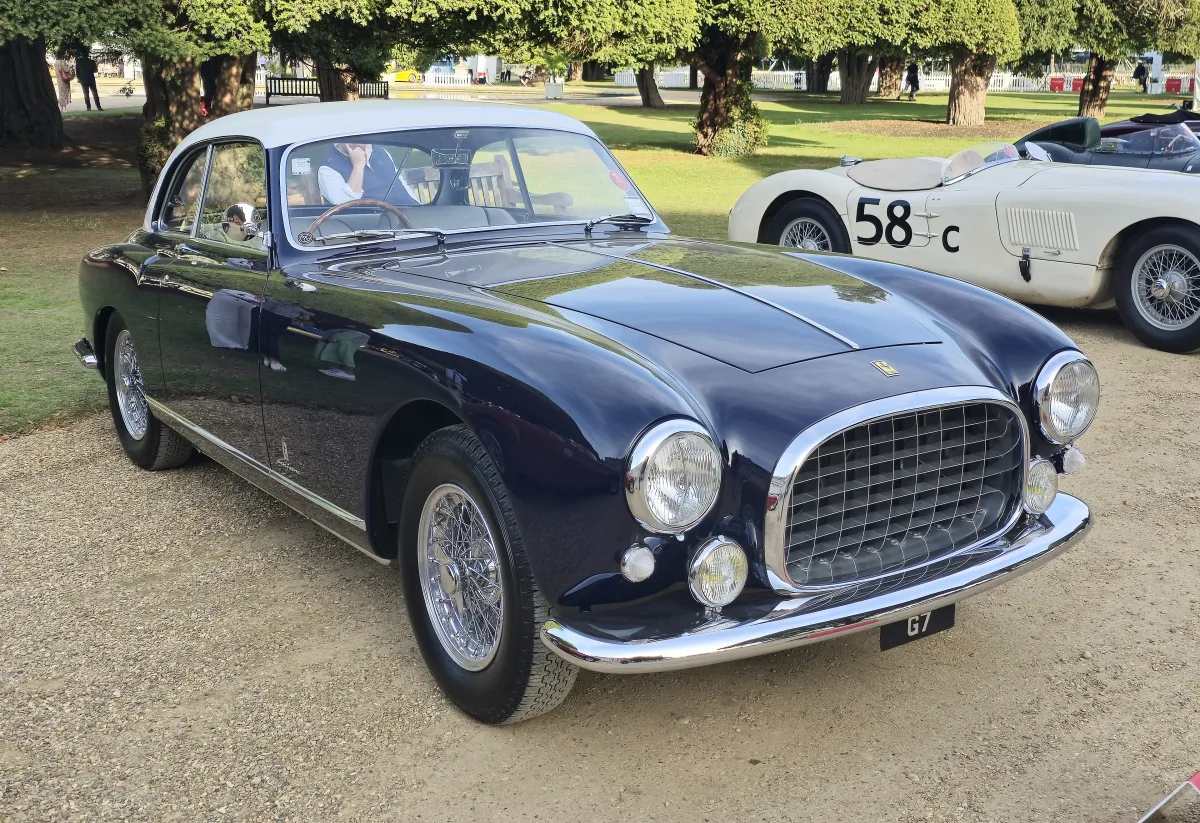
Ferrari 212 Inter: 1951–1953 collector's V12 coupés and cabriolets
Ferrari 212 Inter — an early Ferrari road car with a V12 engine, produced around 1951–1953. We look at its history, body styles, and what collectors need to know.






212 Inter in brief
The 212 Inter was a road car built on the Ferrari V12 platform with an engine designed by Gioacchino Colombo. Alongside it, the racing 212 Export version was produced. The Inter is its more comfortable, long-wheelbase road-going counterpart.
These cars were produced in small numbers — just a few dozen in total. All of them share the fact that the factory supplied only the chassis with the engine, while the bodies were crafted by independent Italian coachbuilders.
Bodies — what sets them apart
The 212 Inter bodies were created by different workshops, so each car can look different: from elegant coupés to open cabriolets. The most famous body creators are Vignale, Touring, Ghia, and Pinin Farina.
For collectors, it's not just about the model, but also the body creator and its provenance. It's the body, history, and originality that mostly determine the car's value.
Engine and gearbox
The engine is a Colombo-designed 2.6-litre V12, with around 150–170 HP — a lot for a road car of that era.
The gearbox is manual. Driving is a true vintage car experience: no power steering and no modern driver aids.
What to know before buying
Authenticity is key. You need to check the chassis and engine numbers, the body's provenance, and the entire chain of documents. For a Ferrari, the documents are as important as the car itself.
Purchases often take place through auctions and specialist dealers. An independent Ferrari classic specialist's inspection is essential, as restoration and parts sourcing can be very expensive.


Trim levels
Names and equipment vary by market and year; we list the versions most commonly found in Europe.
212 Inter kupė
1951–1953A closed two-door body — the most commonly encountered.
- 2.6-litre V12 engine
- Often — a Vignale or Ghia body
- Manual gearbox
212 Inter kabrioletas
1951–1953Open body, rarer and more prized.
- 2.6-litre V12 engine
- Often — a Pinin Farina or Vignale body
- Manual gearbox
Specialūs kėbulai
1951–1953Some cars received unique, one-off bodies.
- 2.6-litre V12 engine
- Unique design
- Extremely high collectible value
212 Inter body comparison
| Kupė | Kabrioletas | Specialus kėbulas | |
|---|---|---|---|
| Who's it for? | For collectors and classic car events | For open-top driving | For special collectors' purchases |
| Body | Closed | Open | Unique |
| Price in the used market (relatively) | High-end | High-end | High-end |
The 212 Inter is a collector's car whose value is determined by its body, provenance, and originality. Expert appraisal is essential before purchase.
Pros
- A piece of early Ferrari history
- Elegant, each with a different body
- V12 engine and distinctive sound
- High collectible value
Cons
- Rare and very expensive
- Expert inspection and provenance check essential
- Expensive restoration and maintenance
Frequently asked questions
When was the Ferrari 212 Inter produced?
The Ferrari 212 Inter was produced around 1951–1953
How does the 212 Inter differ from the 212 Export?
The Export is the racing version with a shorter wheelbase, while the Inter is a more comfortable road car with a longer wheelbase.
How many 212 Inters were made?
Only a few dozen examples were produced, making this model extremely rare.
Updated 2026-10-21 · Trim levels and equipment vary by market and model year — check the equipment of the specific car. · Translated automatically


