 English
 Lietuvių
 Latviešu
 Eesti
 Polski
 Русский
 Українська
 Deutsch
 Nederlands
 Čeština
 Slovenčina
 Svenska
 Norsk
 Dansk
 Suomi


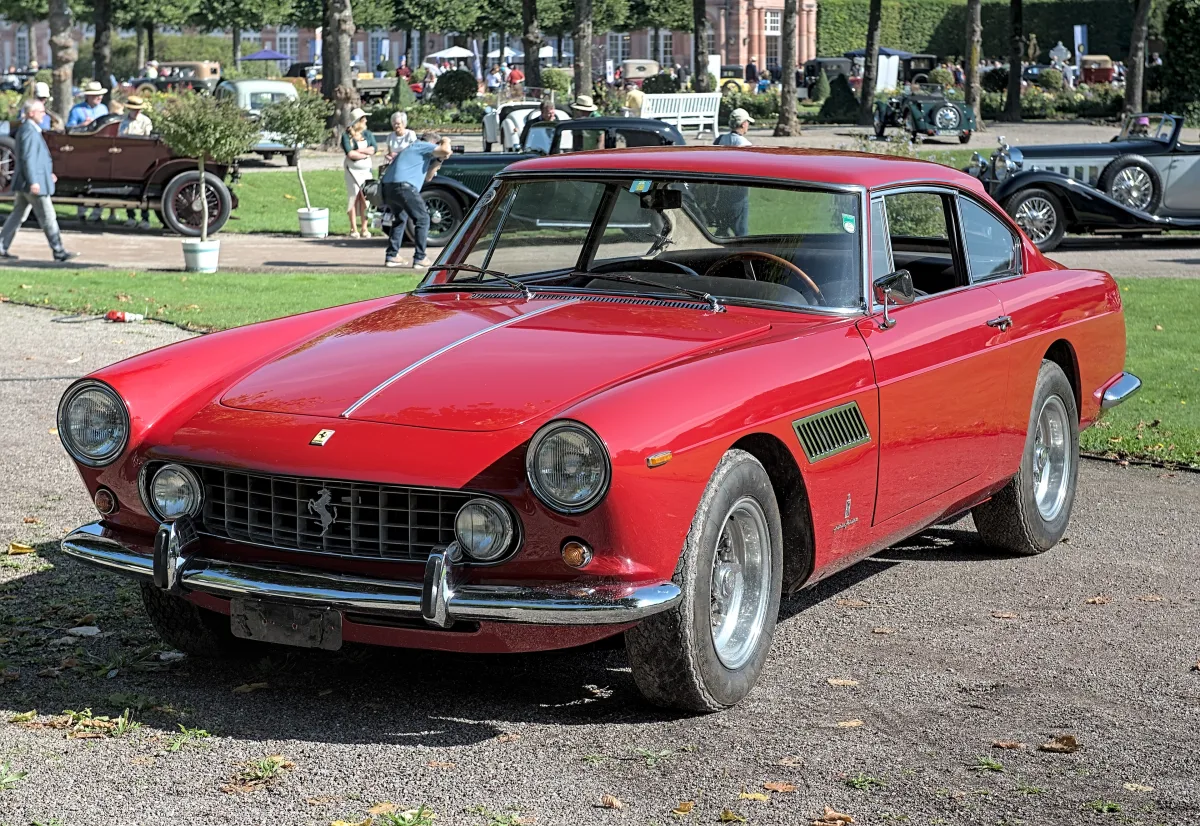
Ferrari 250 GT 2+2: the first four-seater Ferrari and what the collector needs to know
The Ferrari 250 GT 2+2 is a four-seater grand tourer produced between 1960 and 1964, the first Ferrari designed for high-volume production and long family trips. It's a classic, luxurious model, but more practical than the typical Ferrari of its time.






The 250 GT 2+2 in brief
This was the first widely produced four-seater Ferrari, aimed at those who wanted a sporty car but with space for passengers and luggage. The body was designed by Pininfarina, and the car stands out with its elegant, understated lines.
For this reason, it's considered one of the more user-friendly classic Ferraris for daily use, events, and road trips among collectors.
What sets it apart
It has a larger, more comfortable interior than the two-seater 250 GT models, yet retains the classic Ferrari V12 sound. The interior is trimmed in leather, and the seats are quite comfortable for long distances.
Around a thousand units were produced, so the 250 GT 2+2 is relatively accessible compared to other Ferraris of the era, but it's still a very expensive car.
Engine and transmission
The car is powered by a 3.0-litre V12 engine (Colombo design), with output of around 240 hp. The transmission is manual, with an overdrive gear.
The V12 engine is robust if properly maintained, but its servicing requires specialists and is expensive.
What to check when buying
First and foremost — authenticity: body, engine and chassis numbers, documents and history. Collectors usually hire an independent Ferrari expert.
Check for body corrosion (especially sills, floors, wings), engine condition and oil leaks. Repairs are expensive, so thoroughly assess the entire car.


Trim levels
The 250 GT 2+2 had one main version; below is the general specification.
250 GT 2+2
1960–1964A four-seater grand tourer version with a V12 engine.
- Four-seater interior, often with leather
- 3.0-litre V12 engine
- Manual gearbox with overdrive
250 GT 2+2 buying scenarios
| Originalus, su istorija | Restauruotas | Reikalaujantis darbo | |
|---|---|---|---|
| Who it suits | Collectors | For events and road trips | For enthusiasts |
| Main risk | High price | Restoration quality | Repair cost |
| Price in the used market (relatively) | €€€ | €€€ | €€ |
Authenticity, history, and body condition are key; inspect a restored car particularly thoroughly.
Pros
- More practical than other classic Ferraris
- V12 engine and classic sound
- Elegant Pininfarina styling
- High collectible value
Cons
- Very high price
- Parts and repairs are expensive
- Rust
Frequently asked questions
How many 250 GT 2+2 were produced?
Around a thousand examples; check the exact number with expert data.
What's the 250 GT 2+2 engine like?
3.0-litre V12, around 240 bhp, with a manual gearbox.
Is the 250 GT 2+2 suitable for daily use?
Rarely — this is a collector's car; it's more comfortable than other Ferraris of the time, but still intended for events and road trips.
Updated 2026-10-21 · Trim levels and equipment vary by market and model year — check the equipment of the specific car. · Translated automatically


