 English
 Lietuvių
 Latviešu
 Eesti
 Polski
 Русский
 Українська
 Deutsch
 Nederlands
 Čeština
 Slovenčina
 Svenska
 Norsk
 Dansk
 Suomi


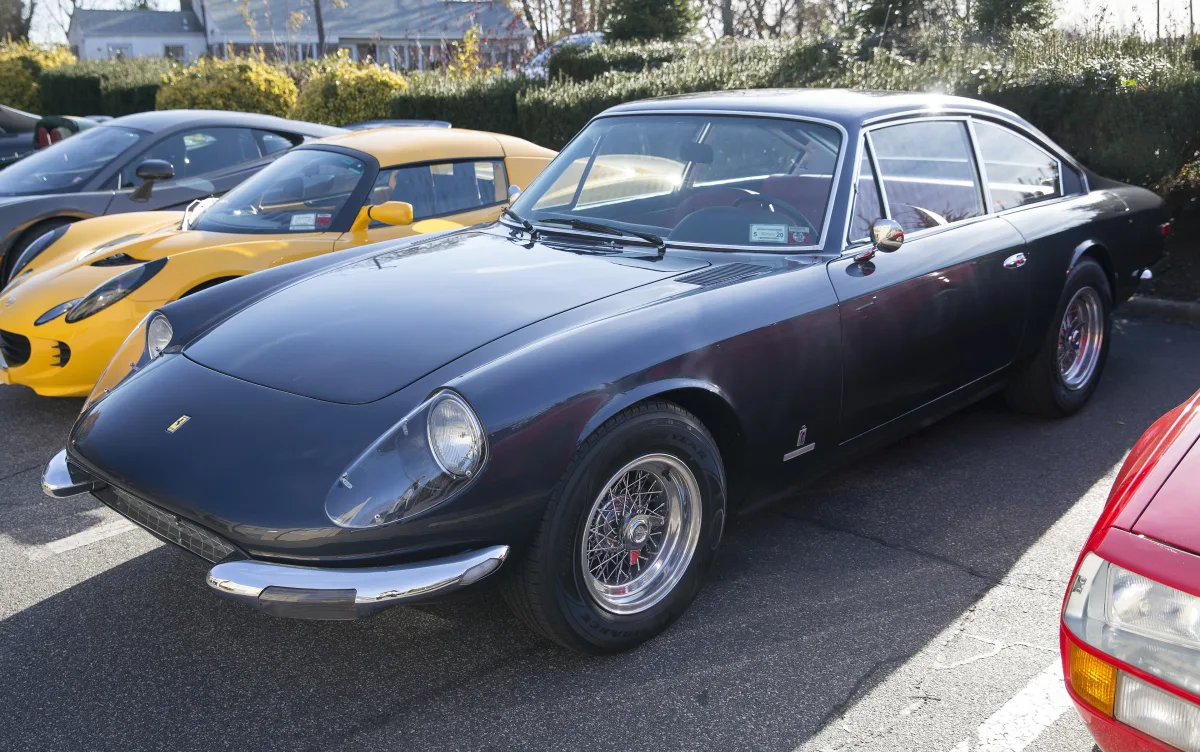
Ferrari 365 GT 2+2: engine, features and what to know when buying
The Ferrari 365 GT 2+2 is a luxurious four-seater GT produced between 1967 and 1971, and was the most popular Ferrari of its time. We'll look at its engine, equipment, and what you need to know if you're considering buying this collectible car.






365 GT 2+2 in brief
The 365 GT 2+2 replaced the 330 GT 2+2 and became the most popular model in the 365 series in 1967. Over roughly four years, around 800 cars were produced, of which 52 were right-hand drive. It quickly became the company's best-selling model.
The car is a large, front-engine, rear-wheel-drive GT with a '2+2' seating layout. Unlike the 330 GT 2+2, which had a live rear axle with leaf springs, the 365 GT 2+2 features an independent rear suspension.
Engine and technology
The 365 GT 2+2 is powered by a 4.4-litre (4390 cc) 'Colombo' V12 engine with three Weber carburettors, producing around 320 bhp. This engine was used in many models of the 365 series.
This was a luxurious car: standard equipment included leather upholstery, power steering and brakes, and electrically operated windows, with air conditioning as an optional extra.
How the 365 GT 2+2 differs from other 365 models
The 365 series included several different models: the 365 California (convertible, just 14 examples), the 365 GT 2+2 (four-seater), the 365 GTC and GTS (two-seaters), and the later 365 GTB/4 'Daytona' and 365 GT4 2+2.
The 365 GT 2+2 is the most practical of these — it has four seats, making it more suitable for long journeys than the two-seater 365 models.
What to know when buying a 365 GT 2+2
Before buying, check the VIN, body and engine numbers, history, and if possible, the "Ferrari Classiche" certificate. Many cars have been restored or repainted, so originality and documentation are particularly important.
Inspect the body for rust: check the sills, undersides of the wings, floor, door and boot apertures. Engine and gearbox overhauls are expensive, so ask when and where they were carried out. Also, check the operation of electric windows and air conditioning (if fitted).
Pay attention to the steering side — most cars are right-hand drive, but 52 left-hand drive examples were produced. When buying from abroad, check import documents and taxes in advance.


Versions
The 365 GT 2+2 doesn't have trim levels; we list the main equipment features.
365 GT 2+2
1967–1971The main version is a four-seater luxurious GT.
- 4.4-litre "Colombo" V12, around 320 HP
- Independent rear suspension
- Single cabin, power steering and brakes, electric windows
365 GT 2+2, dešiniarankė
1967–1971Right-hand drive version (52 cars).
- Right-hand drive
- Same tech as the left-hand drive
- Very rare variant
Comparison with the predecessor
| 330 GT 2+2 | 365 GT 2+2 | |
|---|---|---|
| Who's it for | For classic Ferrari four-seater enthusiasts | A more practical, powerful four-seater |
| Engine | 4.0-litre 'Colombo' V12, around 300 bhp | 4.4-litre "Colombo" V12, around 320 HP |
| Rear suspension | Live axle with leaf springs | Independent |
| Price in the used market (relatively) | €€€ | €€€ |
For most buyers, the 365 GT 2+2 is a better choice than its predecessor thanks to the independent rear suspension and more powerful engine. The key is originality and clean paperwork.
Pros
- Luxurious Ferrari GT four-seater
- Powerful 4.4-litre V12 engine
- Independent rear suspension
- More practical than two-seaters due to four seats
Cons
- High price
- Expensive engine and gearbox repairs
- Many cars restored — originality may raise questions
Frequently asked questions
How many 365 GT 2+2 were produced?
Around 800 cars were produced over roughly four years, of which 52 were right-hand drive.
How does the 365 GT 2+2 differ from the 330 GT 2+2?
The 365 has a larger 4.4-litre engine (around 320 hp) and an independent rear suspension, while the 330 had a live rear axle with leaf springs.
Is the 365 GT 2+2 suitable for daily use?
It's a collector's car, but with four seats it's more practical than two-seater Ferraris. It's often used for trips and shows.
Updated 2026-10-21 · Trim levels and equipment vary by market and model year — check the equipment of the specific car. · Translated automatically


