 English
 Lietuvių
 Latviešu
 Eesti
 Polski
 Русский
 Українська
 Deutsch
 Nederlands
 Čeština
 Slovenčina
 Svenska
 Norsk
 Dansk
 Suomi


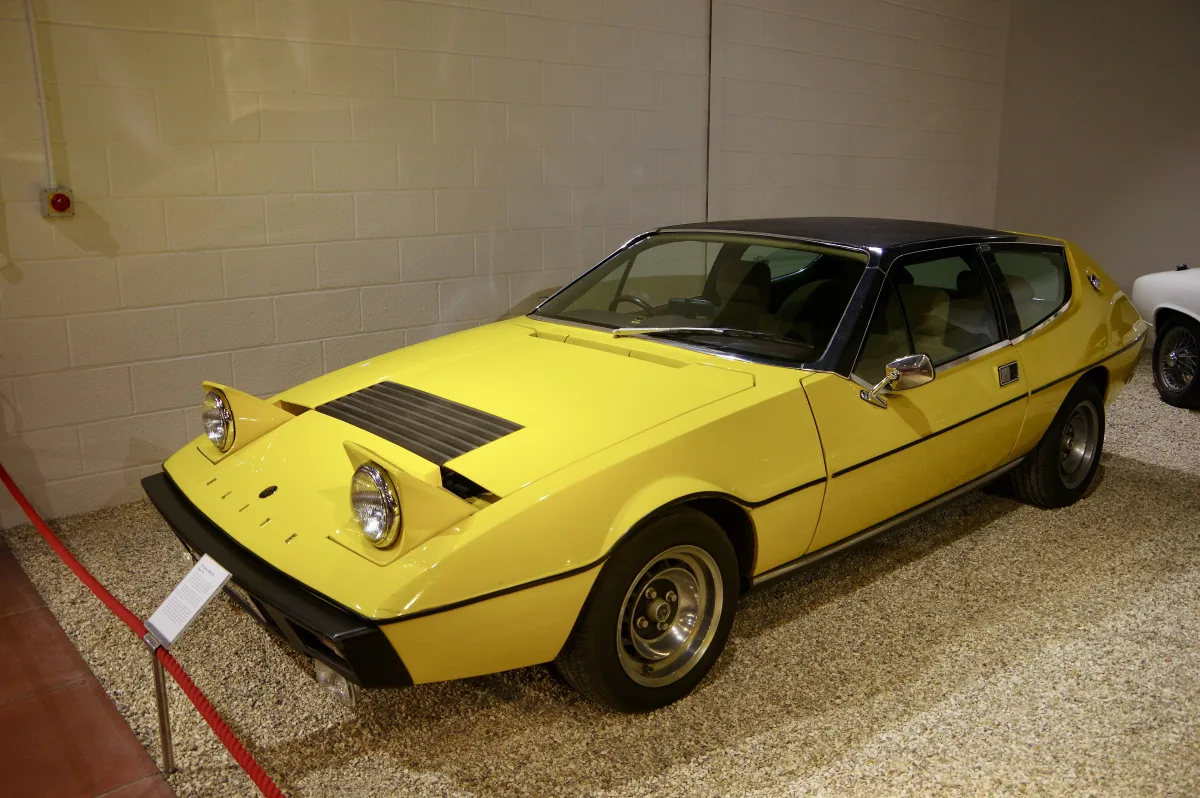
Lotus Elite (Type 75): coupe, hatchback, engines and what to check
Lotus Elite Type 75 — a four-seater coupe hatchback, produced from 1974 to 1982 and replacing the Elan Plus 2. We look at what sets the Elite apart from the Type 83, which engines are on offer and what to check before buying.






Elite in brief
The Elite was introduced in May 1974 and became a larger, more luxurious Lotus than previous models. It's a four-seater 'shooting brake' style car with a glass tailgate opening into the boot.
The body is glass-reinforced plastic over a steel backbone chassis, developed from the Elan and Europa. The shape was created by Oliver Winterbottom, and the main suspension was designed by Colin Chapman — the Elite and Eclat were the last Lotus passenger cars with significant Chapman input.
Type 75 and Type 83
The Type 75 was produced until 1980; it was then replaced by the Type 83, also known as the Elite Mk 2. Changes include a larger engine, galvanised steel chassis, five-speed Getrag gearbox, electrically operated headlights and new bumpers and tail lights.
Early cars had vacuum-operated retractable headlights. It's a low-production car, so finding good-condition examples isn't easy.
Engines and gearboxes
The Type 75 was the first Lotus with an aluminium 16-valve (4 valves per cylinder) DOHC 'Type 907' engine, with a capacity of 1973 cc and an output of 155 bhp. According to the literature, 0-97 km/h (0-60 mph) is achieved in 8.1 seconds, with a top speed of around 201 km/h.
The Type 83 received a larger 2.2-litre (2174 cc) '912' engine. The gearbox was manual — 4 or 5 speeds depending on the order, and from January 1976, an automatic option was available.
What to check when buying an Elite
Inspect the glass-fibre body for cracks, repairs, and poorly executed paint jobs; most importantly, check the condition of the steel frame, as early models' frames were not galvanised and may be affected by corrosion.
The engine should run smoothly and not overheat; check the cooling system and oil pressure. Due to the limited production run, some parts may need to be ordered through specialist Lotus dealers, so factor in parts availability in advance.


Trim levels
Elite Type 75 trim levels are denoted by numbers 501–504 depending on the specification.
501
Type 75Base model.
- 2.0-litre DOHC engine (155 hp)
- 4 or 5-speed manual gearbox
- No air conditioning
502
Type 75Base model with air conditioning.
- Air conditioning
- 2.0-litre DOHC engine
- Manual gearbox
503
Type 75Enhanced with air conditioning and power steering.
- Air conditioning
- Power steering
- Manual gearbox
504
Type 75 (from 1976)With air conditioning, power steering, and automatic transmission.
- Air conditioning
- Power steering
- Automatic transmission
Comparison of Elite Type 75 versions
| 501 | 502 | 503 | 504 | |
|---|---|---|---|---|
| Who it's for | For the more basic version | For comfort in hot climates | For easier handling | For automatic transmission enthusiasts |
| Air conditioning | No | Yes | Yes | Yes |
| Power steering | No | No | Yes | Yes |
| Automatic transmission | No | No | No | Yes |
| Price in the used market (relatively) | €€€ | €€€ | €€€ | €€€ |
If you're after the true Lotus driving experience, opt for the 501–503 with a manual gearbox; the 504 is better for those who prioritise comfort and an automatic.
Pros
- Classic Lotus design and a lightweight fibreglass body
- Four-seater with practical boot access
- Intriguing high-revving DOHC engine
- A unique collector's car
Cons
- Rare and highly sought-after in the used market
- Body corrosion issues in early models
- Limited supply of parts and specialists
Frequently asked questions
How does the Elite differ from the Type 83?
The Type 83 received a larger 2.2-litre engine, galvanised chassis, new Getrag gearbox, electrically operated headlights and different bumpers.
What is the Elite Type 75's power output?
The standard 2.0-litre Type 907 engine produces 155 bhp; the Type 83 has a larger 2.2-litre engine.
Is the Elite suitable for daily driving?
This is a collector's car best used seasonally. The supply of parts is limited, and protecting the chassis and body from corrosion requires meticulous maintenance.
Updated 2026-10-21 · Trim levels and equipment vary by market and model year — check the equipment of the specific car. · Translated automatically


