 English
 Lietuvių
 Latviešu
 Eesti
 Polski
 Русский
 Українська
 Deutsch
 Nederlands
 Čeština
 Slovenčina
 Svenska
 Norsk
 Dansk
 Suomi


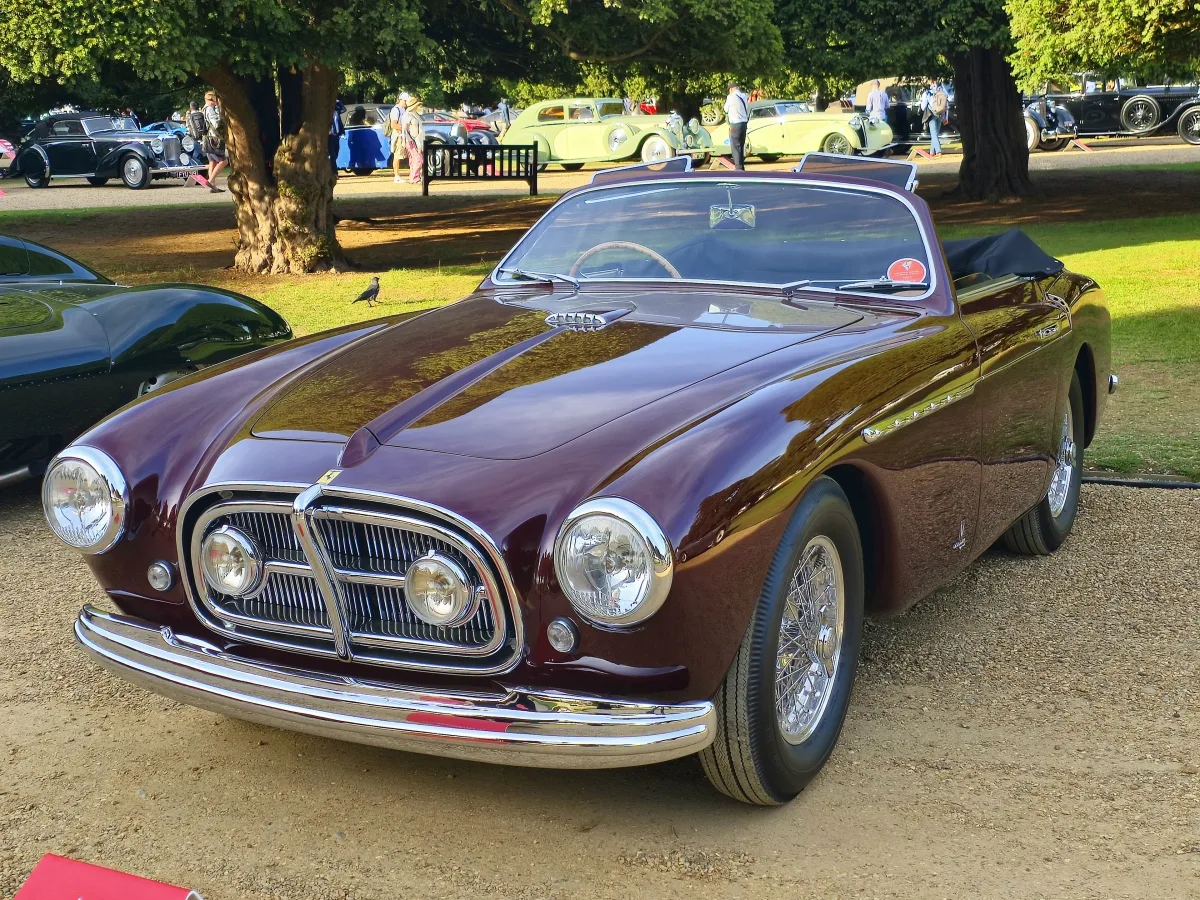
Ferrari 212 Export: 1951–1952 V12 racing and road-going Ferrari
The Ferrari 212 Export — a 1951–1952 series of just 27 cars with a 2.6-litre V12 engine. Most were built for racing, while two special cabriolets were designed as road cars. This article reviews the bodies, engine, and what you need to know when buying such a classic car.






212 Export in brief
The 212 Export was a racing model produced alongside the road-going 212 Inter. A total of 27 cars were made, each with bodies crafted by different Italian artisans, making every example unique.
In the 1951 Tour de France race, three Exports took the 1–2–3 spots — Pierre Boncompagni and Alfred Barraquet won with a Touring 'Barchetta'.
Bodies
Carrozzeria Touring built eight 'Barchetta' and four berlinetta bodies. Vignale created ten racing bodies: three spiders and seven berlinettas. A few examples were also crafted by other artisans, such as Motto and Fontana.
Vignale also built two cabriolets intended solely for road use — one owned by Count Sanseverino, the other by the Portuguese ambassador to France.
Engine and tech
The engine is a Colombo-designed 2.6-litre (2563 cc) V12, producing 150 or 165 PS, depending on the carburettor setup.
This is early Ferrari technology, so don't expect much in the way of comfort or safety — it's primarily a collector's item and a historic rally car.
What to check when buying a Ferrari 212 Export
Most importantly — check the provenance, chassis and engine numbers, racing history and body manufacturer. Request all documents and expert certification.
Check that the body, engine and chassis match, as Ferrari cars from the 1950s were often modified or rebuilt.
Before buying, consult with a classic Ferrari specialist.


Trim levels
Bodies were built separately, so general types are indicated.
Touring Barchetta
1951–1952Open racing body.
- Eight cars built
- Racing pedigree
- Tour de France winning car
Touring Berlinetta
1951–1952Closed sports body.
- Four cars built
- Racing purpose
- Very rare
Vignale spider / berlinetta
1951–1952Vignale racing bodies.
- Three spiders and seven berlinettas
- Racing purpose
- Different examples
Vignale kabrioletas
1951–1952Two cabriolets designed for the road.
- Designed for the road
- Often — more luxurious trim
- Very rare
Body comparison
| Barchetta | Berlinetta | Vignale kabrioletas | |
|---|---|---|---|
| Who it suits | Shows and historic racing | For the collection | For the collection and travel |
| Engine | 2.6-litre V12, 150–165 PS | 2.6-litre V12, 150–165 PS | 2.6-litre V12, 150–165 PS |
| Price in the used market (relatively) | €€€ | €€€ | €€€ |
Every Ferrari 212 Export is unique. The key factors are provenance, racing history, and documentation, not the specification.
Pros
- A highly rare and valuable car
- Tour de France victory
- Colombo V12 engine
- Craftsmanship by Italian coachbuilders
Cons
- Exclusive price
- Lack of modern comforts
- Hard to find and maintain
Frequently asked questions
How many Ferrari 212 Exports were made?
27 cars between 1951 and 1952
How does the Export differ from the 212 Inter?
The Export was a racing model, while the 212 Inter was a road-going version, produced simultaneously.
What engine does the 212 Export have?
2.6-litre Colombo V12, producing 150 or 165 PS.
Updated 2026-10-21 · Trim levels and equipment vary by market and model year — check the equipment of the specific car. · Translated automatically


