 English
 Lietuvių
 Latviešu
 Eesti
 Polski
 Русский
 Українська
 Deutsch
 Nederlands
 Čeština
 Slovenčina
 Svenska
 Norsk
 Dansk
 Suomi


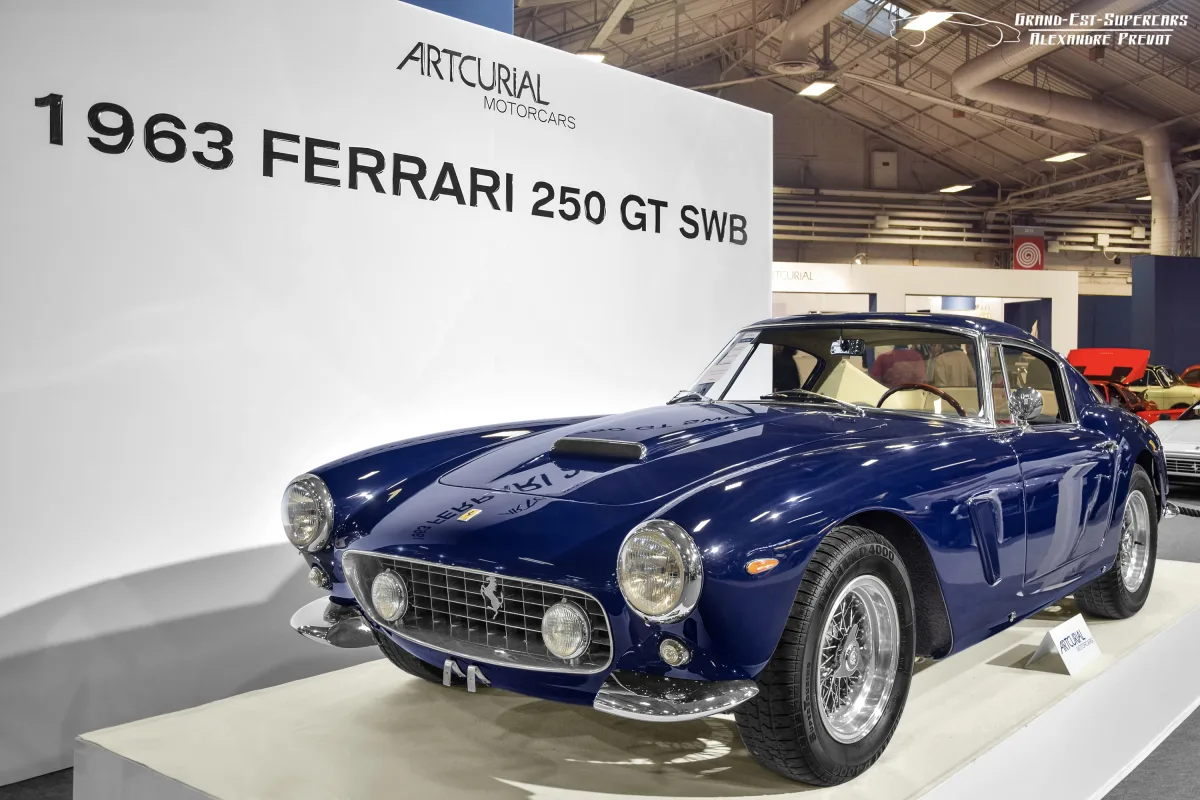
Ferrari 250 GT Berlinetta SWB: generations, engine and what to know when buying
The Ferrari 250 GT Berlinetta SWB — built from 1959 to 1962 — is a shorter-wheelbase 'Berlinetta' and is considered one of the finest Ferrari GT cars. We look at its generations, engine, and what you need to know when buying this collectible car.






250 GT SWB in brief
The 250 GT Berlinetta SWB ('Passo Corto') was unveiled in October 1959 at the Paris Motor Show. Its wheelbase is 2400 mm, 200 mm shorter than the previous 250 GT Berlinetta (2600 mm), which improved handling. It's one of the most iconic GT race cars of its time, which was also a road car.
A total of 176 cars were produced, with bodies made of steel or aluminium, and interiors in 'lusso' (road) or racing trim. The model was designed by Giotto Bizzarrini, Carlo Chiti, and the young Mauro Forghieri — the same team that later created the 250 GTO. The car won the 'Tour de France Automobile' in 1960, 1961, and 1962, and in 1961 helped Ferrari win the GT class in the Constructors' Championship.
Engine and technology
The heart of all 250 models is the 3.0-litre (2953 cc) Colombo V12. In the SWB version, its power ranged from around 240 hp to around 280 hp, depending on the version. It was the first Ferrari GT with disc brakes.
The car features a front-mounted engine, rear-wheel drive, and a manual gearbox. Its lightweight body and well-balanced suspension made it competitive in racing, while its styling was crafted by Pininfarina.
Road and racing versions
The „Lusso“ trim was designed for the road: it's more comfortable, with better interior materials. The racing trim is lighter, with a more powerful engine option and a simpler interior.
Some SWB models were modified or restored in a sportier form over time, so the original specification is very important. Before buying, check which version of the car was produced and if it still has its original configuration.
What to Know When Buying a 250 GT SWB
This is one of the most valuable collectible „Ferrari“ models, so documentation is especially important: check the VIN, body and engine numbers, history, and, if possible, the „Ferrari Classiche“ certificate. There are many copies and modified cars, so independent expertise is essential when buying.
Inspect the body for corrosion damage, signs of previous repairs, and whether the body material matches the version. Major engine and gearbox overhauls are expensive, so ask when and where they were done.
These cars are often sold through specialist auction companies and dealers. When buying from abroad, check import documents and taxes in advance.


Versions
Names and equipment vary by car; we list the main SWB versions.
250 GT SWB „Lusso“
1959–1962Road version with a more comfortable interior.
- Around 240 HP 3.0 L V12
- Often — a steel body with aluminium parts
- More comfortable interior
250 GT SWB Competizione
1959–1962Racing, lighter version.
- Up to around 280 HP 3.0 L V12
- Often — lightweight aluminium body
- Simpler interior trim
Comparing versions
| „Lusso“ | Competizione | |
|---|---|---|
| Who it suits | For collectors seeking a road-going car | For collectors seeking a race car |
| Power | Around 240 HP | Up to around 280 HP |
| Body | Usually steel with aluminium parts | Usually aluminium |
| Price in the used market (relatively) | €€€ | €€€ |
For most collectors and owners, the “Lusso” is the better bet — it’s more comfortable and suits both road use and shows. The Competizione is for those who prioritise racing pedigree.
Pros
- One of Ferrari's most famous GT cars
- The first Ferrari GT with disc brakes
- Excellent handling thanks to its short wheelbase
- A unique sporting history
Cons
- Very high price and limited supply
- Many replicas and modified cars
- Expensive maintenance and repairs
Frequently asked questions
What does SWB mean?
Short Wheelbase, i.e., short wheelbase. The 250 GT Berlinetta SWB has a wheelbase of 2400 mm.
How many 250 GT SWBs were produced?
A total of 176 cars, including both road (lusso) and racing versions.
How does the SWB differ from earlier 250 GT Berlinettas?
Shorter wheelbase (2400 vs 2600 mm), the car has disc brakes, and handling is better.
Updated 2026-10-21 · Trim levels and equipment vary by market and model year — check the equipment of the specific car. · Translated automatically


