 English
 Lietuvių
 Latviešu
 Eesti
 Polski
 Русский
 Українська
 Deutsch
 Nederlands
 Čeština
 Slovenčina
 Svenska
 Norsk
 Dansk
 Suomi


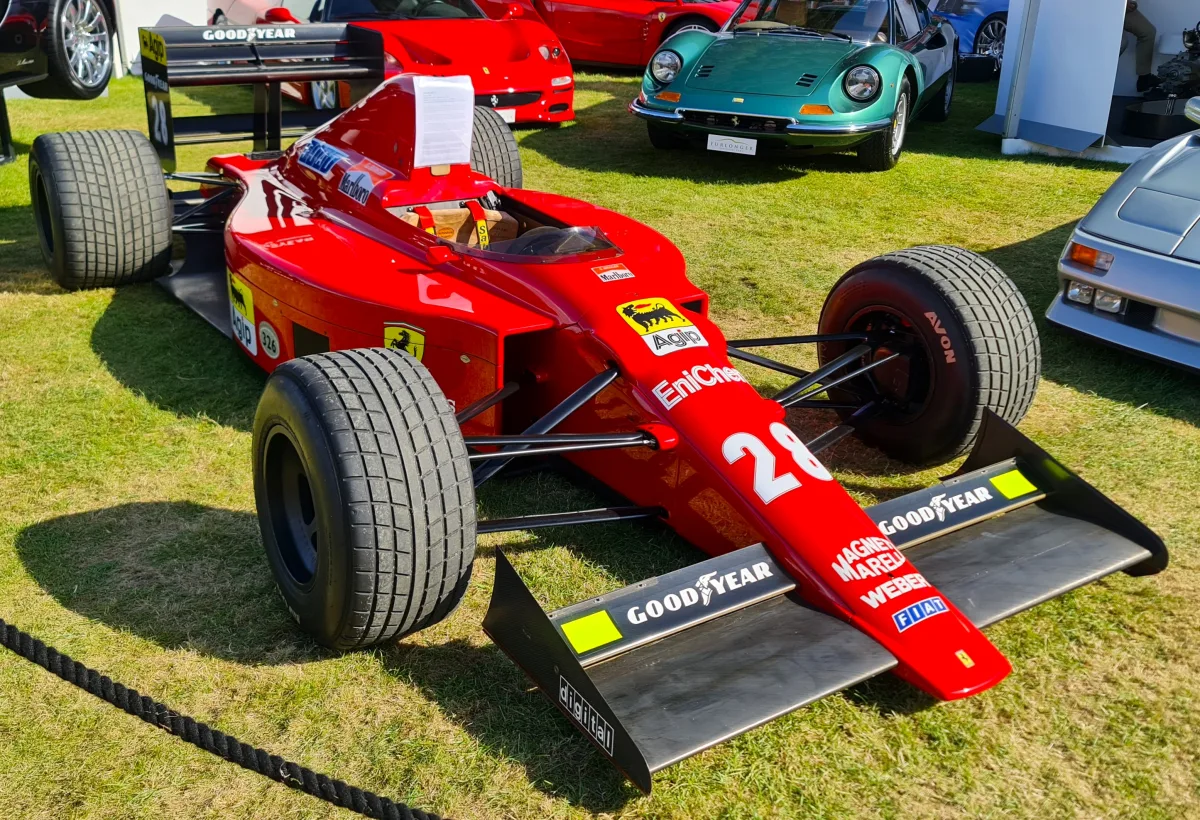
Ferrari 640: The 1989 Formula 1 racer with a semi-automatic gearbox
Ferrari 640 (F1-89) — The car designed for the 1989 Formula 1 season, in which Ferrari first used a semi-automatic gearbox controlled from the steering wheel. In this article, we look at its construction, season results, and what you need to know about such cars.






640 in brief
The 640 was one of the boldest Formula 1 designs of its time. The car was engineered by John Barnard, and its body stood out with a narrow, sleek design and a low-slung nose.
This isn't a road car or a car for sale. The 640 was built solely for racing, and surviving cars are usually kept in museums or private collections and occasionally shown at historic racing events.
The semi-automatic gearbox
The standout feature of the 640 was its semi-automatic gearbox, controlled by paddles behind the steering wheel. The driver no longer needed to shift gears manually, allowing both hands and feet to stay on the primary controls.
This technology later became the standard in Formula 1, but in 1989 it was still new, so the reliability of the gearbox became one of the 640's main issues.
The engine and the season
The car had a 3.5-litre V12 naturally aspirated engine, producing around 650 bhp. Ferrari remained loyal to the V12 configuration at the time, although most competitors were already using V8 or V10 engines.
The 1989 season kicked off with a win: Nigel Mansell took the first race in Brazil. Later, he won in Hungary, and Gerhard Berger in Portugal. Victories were accompanied by reliability issues, and Berger's crash at Imola in 1989 remains one of the most memorable moments of that season.
What to know about such cars
Formula 1 cars aren't suitable for daily use. They require a team of specialists, complex maintenance, and special fuel and parts.
If you're interested in the 640 as a collectible, the most important thing is to verify its provenance, documents, and authenticity as a genuine Ferrari. Such cars are usually sold through specialist dealers or auctions.


Trim levels
Names and equipment vary by market and year; we list the versions most commonly found in Europe.
640 Nr. 27
The 1989 seasonOne of the two team cars.
- 3.5-litre V12 engine
- Semi-automatic gearbox
- Ferrari Formula 1 car
640 Nr. 28
The 1989 seasonThe second team car.
- 3.5-litre V12 engine
- Semi-automatic gearbox
- Ferrari Formula 1 car
Comparing the cars
| 640 Nr. 27 | 640 Nr. 28 | |
|---|---|---|
| Who they're for | For collectors and museums | For collectors and museums |
| Engine | 3.5-litre V12 | 3.5-litre V12 |
| Gearbox | Semi-automatic | Semi-automatic |
| Price in the used market (relatively) | €€€ | €€€ |
The 640 isn't just a used car, it's a Formula 1 collector's item. It's fascinating for anyone who appreciates Ferrari's history and the dawn of the semi-automatic gearbox.
Pros
- The first Ferrari with a semi-automatic gearbox
- Legendary V12 sound
- Historic victories in its debut season
- A unique collector's item
Cons
- Not suited for daily driving or long trips
- Very expensive maintenance and parts
- Sales and purchases are highly restricted
Frequently asked questions
What makes the Ferrari 640 special?
This was the first Ferrari racer to feature a semi-automatic gearbox, controlled by paddles behind the steering wheel.
Is it possible to buy a Ferrari 640?
Practically no — such racers are kept in museums or private collections and sold very rarely.
What engine did the 640 have?
A 3.5-litre V12 naturally aspirated engine, with power output of around 650 bhp.
Updated 2026-10-21 · Trim levels and equipment vary by market and model year — check the equipment of the specific car. · Translated automatically


